
Copper Clad Zinc: Emerging Lightweight Conductor
1. Introduction
for Conductor makes as Core research 。 Density conductivityas Weightsensitiveapplicationsprovides 。
2. Material Properties
CCZCCA17%。
3. Manufacturing Considerations
4. Comparison
5. Applications
6.
CCZExperimentto stage ,standards。
7. Conclusion
CCZ emerging materials,in WeightKeyapplications has 。
Frequently Asked Questions
What are the advantages of CCZ compared to CCA?
CCZ's main advantage is lower density (about 17% lighter), making it the lightest bimetallic conductor option. Additionally, zinc core has natural compatibility with zinc-based battery systems, offering unique advantages in new energy applications. Cost-wise, zinc and aluminum prices are similar, giving CCZ cost competitiveness.
Is CCZ ready for commercial application?
CCZ is currently in laboratory to pilot stage, with no established industry standards yet. While technical feasibility has been verified, before large-scale commercialization, process optimization, complete property characterization, application testing validation, and standards development still need to be completed.
What applications are suitable for CCZ?
CCZ potential applications include: RF cable cores (cost advantage), zinc-based battery systems (material compatibility), weight-sensitive aerospace and portable electronics (lightest option). However, note its conductivity (45-60% IACS) is lower than CCA, requiring performance trade-off considerations.
What technical challenges does CCZ manufacturing face?
Main challenges include: zinc's low melting point (419°C) limits heat treatment temperature; zinc and copper easily form brittle intermetallic compounds (like γ-phase Cu₅Zn₈); zinc's high chemical reactivity requires protective atmosphere. Solutions include precise temperature control, optimized cladding process, and protective atmosphere use.
Figures
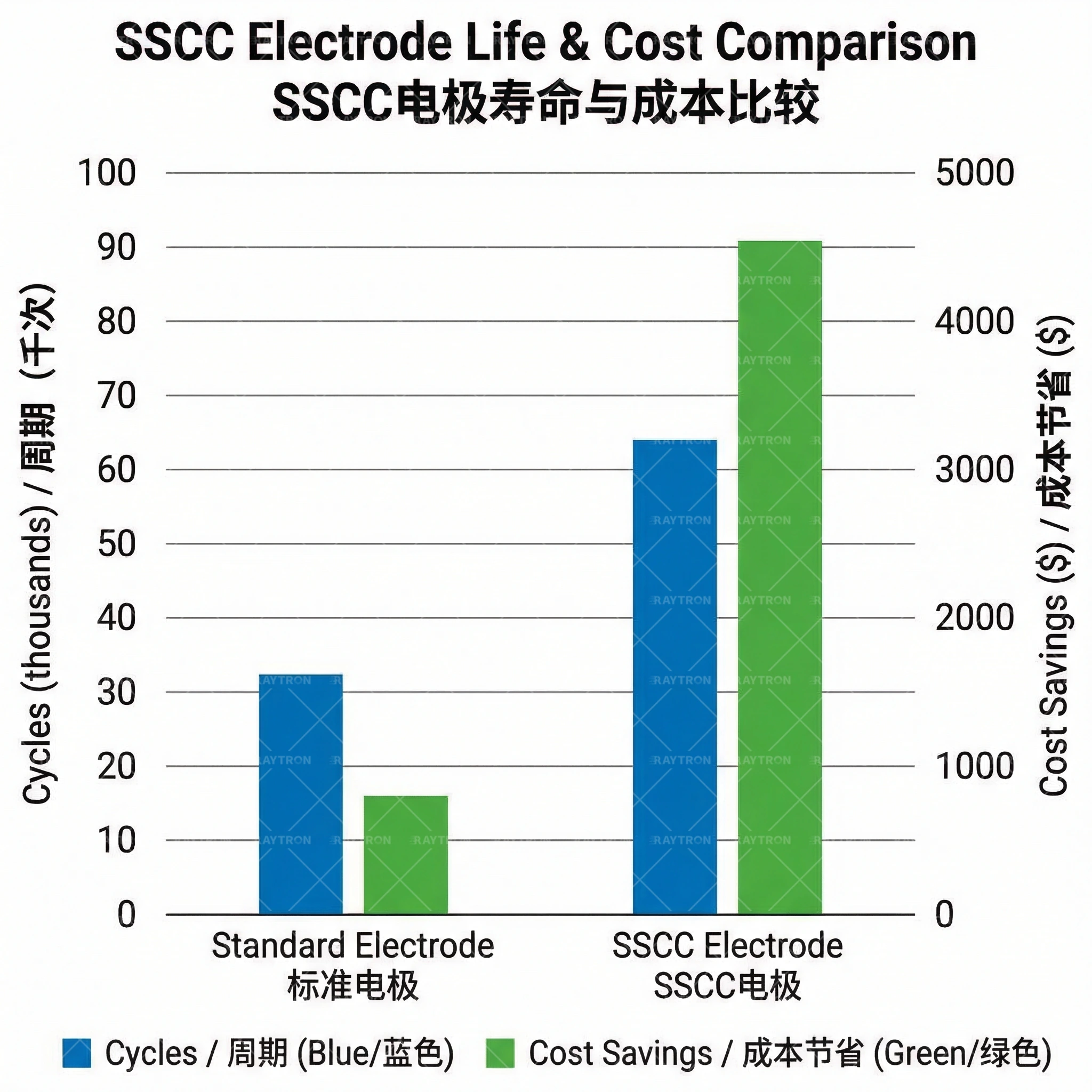
Create CCZ vs CCACompare Performance Diagram
Cu-ZnPhase Diagram
Tables
| Property | CCZ-15% | CCA-15% |
|---|---|---|
| Density (g/cm³) | 3.0 | 3.6 |
| Conductivity (% IACS) | 45-50 | 62-68 |
| Melting Point (°C) | 419 (Zn) | 660 (Al) |
| Challenge | Question | Mitigation |
|---|---|---|
| Low Melting Point | Heat TreatmentAffectedLimit | LowTemperature Annealing |
| Zinc Reaction Properties | Oxidation | ProtectionAtmosphere |
| Intermetallic Compound | YellowCopperFormation | Temperature Control |
| Application | Advantage | Consideration |
|---|---|---|
| Aerospace Wiring | Lightest Selection | Temperature Limitations |
| Portable Electronics | Weight Reduction | Conductivity Trade-off |
| Drone Systems | Weight Critical | Cost Effective |
References
- Zinc and Zinc Alloys ASM (2020)