
Copper Round Wire
Copper round wire is specified for cables, windings and electronic parts. Select the copper grade, diameter and temper for the required resistance and forming process. Add surface finish, insulation and spool requirements to the order specification.
View specificationsRequest Quote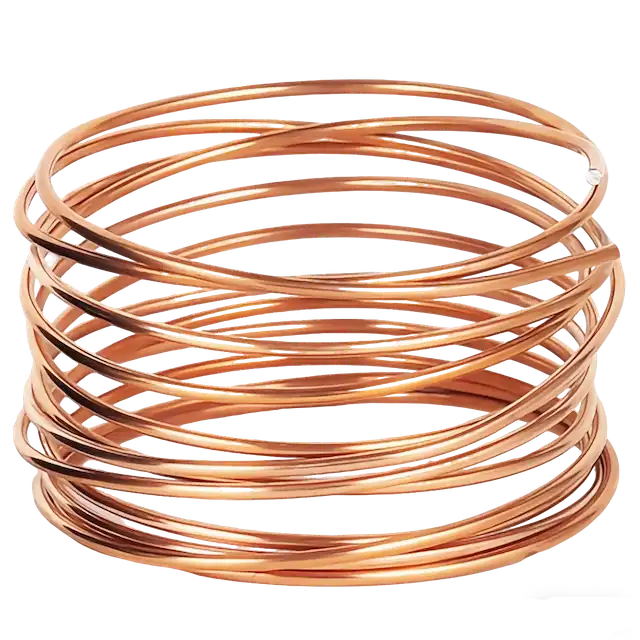
On this page
Specify the completed round copper conductor
Round copper wire provides a single-metal conductor for a drawing-defined electrical or winding task. The copper grade and temper, bare diameter and final resistance define the material before optional surface treatment or insulation.
Identify diameter tolerance and roundness, surface condition, coil or spool, and resistance length and reference temperature. Keep plated or insulated finished diameter and the termination process separate from the bare-wire dimensions.
Compare copper conductor formsConstruction and specification
Scroll horizontally to read all columns.
| Item | Specification |
|---|---|
| Material | Electrolytic Copper (Cu) |
| Product form | Round wire |
| Electrical specification | Electrical behavior follows metal grade, temper, cross-section and operating temperature |
Specification design factors
Drawing-defined specification
Geometry and performance
- Diameter and ovality determine the metal section and fit in the finished assembly.
- Resistance depends on material, section, length and temperature.
- Temper and surface condition affect drawing, bending and joining.
Include diameter tolerance, conductivity, surface finish and spool format. Select the applicable wire standard by material grade and temper, and request the agreed inspection documents.
Specifications and Documentation
Identify the product form, standard and edition required by the drawing. A material standard does not establish approval for the finished assembly. Agree inspection methods, acceptance limits and required documents for the order.
Round-wire specifications identify the metal grade, temper, diameter, surface and electrical resistance with its measurement length and temperature. Coating and insulation requirements describe the finished construction separately.
View standards references · Review documentation requirements
Product questions
What determines a round conductor’s electrical and forming behavior?
Metal construction, diameter and temper define the conductor section. Resistance varies with length and temperature. Surface condition, coating and any insulation affect joining and the finished assembly diameter.
Which material condition belongs with an electrical value?
Keep the metal grade, temper, geometry, measurement temperature and method with the value. Surface plating or insulation is a separate construction feature; a family name alone does not define the finished part.
Which diameter belongs in the conductor specification?
Bare diameter and ovality describe the metal section. Coating or insulation adds to the finished diameter. Keep the electrical measurement length and temperature with the resistance value for that construction.
Prepare your inquiry
- Bare conductor diameter, tolerance and finished diameter if coated or insulated
- Temper, required resistance and termination
- Metal grade and temper
- Surface finish or coating, joining method and inspection requirements
- Quantity, spool or coil format, packaging and delivery destination