
RAYTRON Logo
Cable & Conductor
Applications

Cable & Conductor

High-performance conductors for power cables, communication cables, and specialty wire applications.

40% Weight Reduction
62-70% IACS Conductivity
~35% Cost Savings

Industry Solution Path

Cable and conductor material path

Cable conductor selection should balance conductivity, tensile strength, weight, skin effect, installation load and termination reliability.

Recommended Materials

  • CCA wire for validated lightweight or high-frequency cable conductors
  • CCS round or stranded wire for strength-sensitive cable and grounding uses
  • Copper strip or foil for shielding, terminals and conductor support
  • NCC where nickel surface behavior is required

Selection Path

  1. 1 Define cable type, frequency, span, grounding or signal requirement.
  2. 2 Select CCA or CCS by conductivity grade, tensile load and installation environment.
  3. 3 Validate termination, corrosion, bending fatigue and standards.

RFQ Checklist

  • Cable application and standard
  • Diameter, strand structure or foil width
  • Conductivity grade and tensile strength target
  • Termination, environment, packaging and annual demand
Validation Notes

  • Do not evaluate CCA or CCS as pure copper equivalents without design review.
  • Outdoor cable projects should review corrosion and termination risks early.

Material Options

Recommended material comparison path

Material option Selection fit Validation requirement
CCA wire for validated lightweight or high-frequency cable conductors Define cable type, frequency, span, grounding or signal requirement. Do not evaluate CCA or CCS as pure copper equivalents without design review.
CCS round or stranded wire for strength-sensitive cable and grounding uses Select CCA or CCS by conductivity grade, tensile load and installation environment. Outdoor cable projects should review corrosion and termination risks early.
Copper strip or foil for shielding, terminals and conductor support Validate termination, corrosion, bending fatigue and standards. Do not evaluate CCA or CCS as pure copper equivalents without design review.
NCC where nickel surface behavior is required Define cable type, frequency, span, grounding or signal requirement. Outdoor cable projects should review corrosion and termination risks early.

Common specification inputs

  • Cable application and standard
  • Diameter, strand structure or foil width
  • Conductivity grade and tensile strength target
  • Termination, environment, packaging and annual demand
About Application

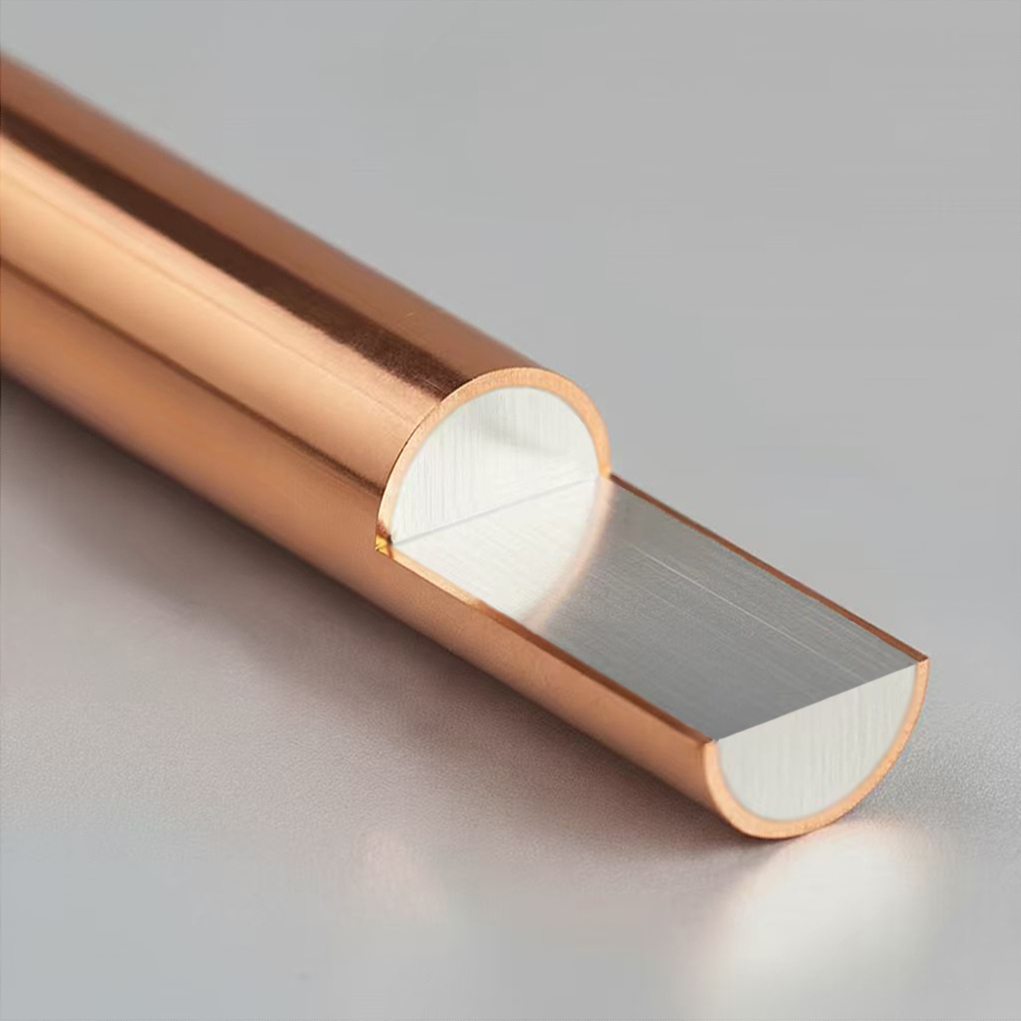
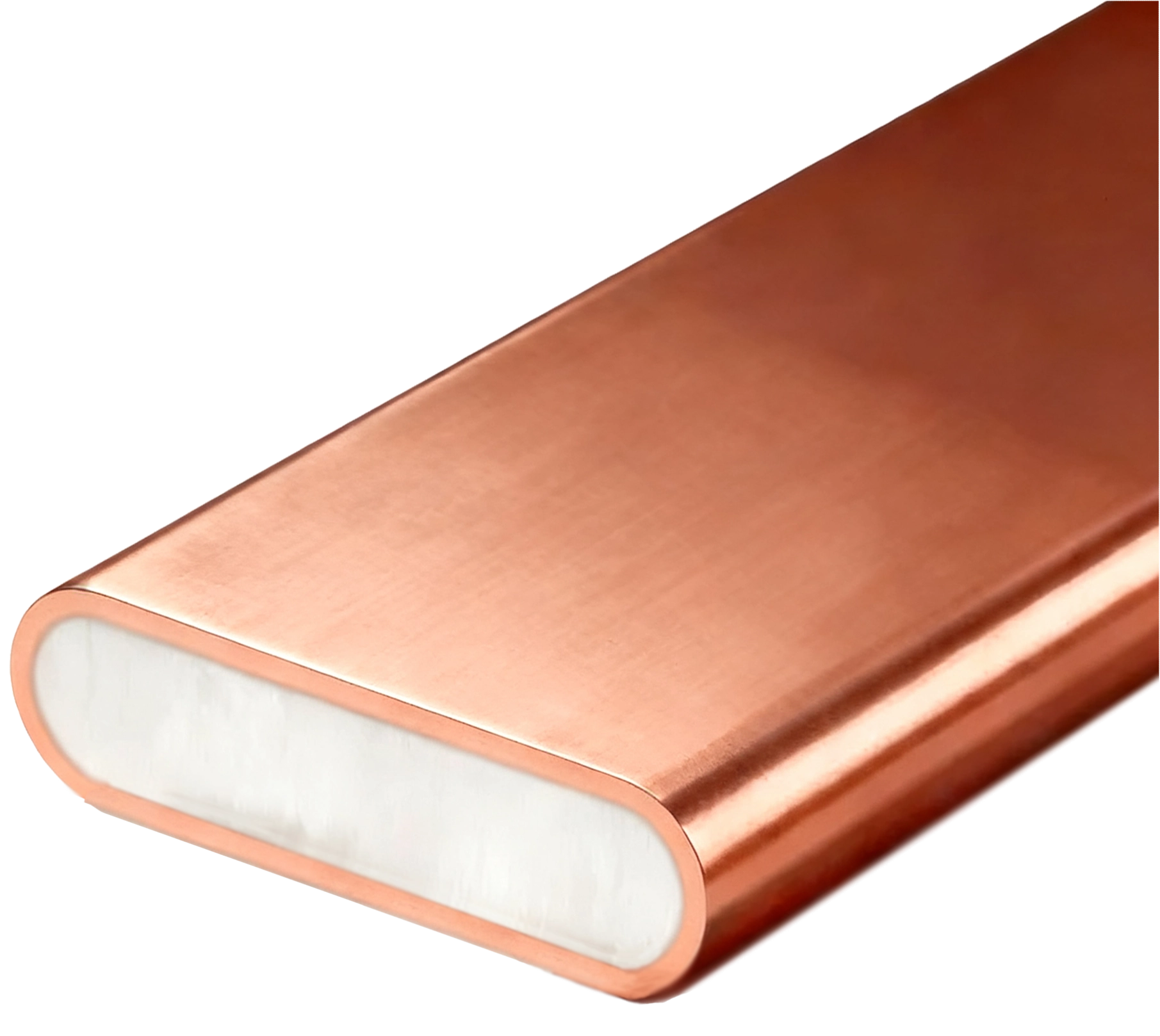
RAYTRON provides advanced conductor materials for the cable industry, offering solutions that combine excellent electrical conductivity with significant weight and cost advantages. Our Copper Clad Aluminum (CCA) and other bimetallic conductors are manufactured using Clad & Weld technology, ensuring metallurgical bonding for superior performance and reliability.

Technical Challenges

RISK

Rising Copper Prices

FIX

Solution CCA provides 62-70% IACS conductivity at a fraction of the cost of pure copper.

RISK

Weight Constraints

FIX

Solution Lightweight CCA reduces cable weight by up to 40%, ideal for aerial and mobile applications.

RISK

Installation Difficulty

FIX

Solution Lighter cables are easier to handle and install, reducing labor costs.

Frequently Asked Questions

What is Copper Clad Aluminum (CCA)?

Copper Clad Aluminum (CCA) is a composite conductor consisting of an aluminum core clad with a layer of pure copper. It combines the high conductivity of copper with the light weight and low cost of aluminum.

How does CCA compare to pure copper?

CCA offers 62-70% of the conductivity of pure copper with a lower density (3.26-3.63 g/cm³ vs 8.96 g/cm³). At equal dimensions, the conductor weight is lower. For equivalent electrical resistance, a larger cross-section may be required, so system-level weight reduction depends on conductivity, conductor size, insulation, termination and application design.

Is CCA a reliable alternative for power cables?

Yes, when properly sized to match the ampacity requirements, CCA is a reliable alternative. Our metallurgical bonding technology ensures the copper and aluminum are permanently bonded, preventing galvanic corrosion and ensuring long-term stability.

Not Recommended / Validation Boundaries

  • Do not evaluate CCA or CCS as pure copper equivalents without design review.
  • Outdoor cable projects should review corrosion and termination risks early.
  • Material substitution without application validation and customer approval is not recommended.
  • Specifications and acceptance criteria must be confirmed per product form and purchase order.

Evidence / Case Notes

Engineering Application Notes

Application guidance based on material properties, process capability and industry practice. Not customer-specific validation data.

Anonymized Validation Cases

Customer-specific validation cases are available under NDA. Request via the RFQ form with your application details.

Downloads

Request for Quote (RFQ)

Submit the following information with your inquiry to receive a qualified quotation:

  • Cable application and standard
  • Diameter, strand structure or foil width
  • Conductivity grade and tensile strength target
  • Termination, environment, packaging and annual demand
Request Application Quote

Related Products

View Products
Copper Clad Aluminum Round Wire - 65% IACS conductivity, Copper Clad Aluminum (Cu/Al), for Cable & Conductor and Industrial Motors

Copper Clad Aluminum Round Wire

Copper Clad Aluminum (Cu/Al)

Conductivity: 65% IACS
View Details
Copper Clad Aluminum Stranded Wire - 65% IACS conductivity, Copper Clad Aluminum (Cu/Al), for Cable & Conductor and Industrial Motors

Copper Clad Aluminum Stranded Wire

Copper Clad Aluminum (Cu/Al)

Conductivity: 65% IACS
View Details
Copper Clad Aluminum Flat Wire - 65% IACS conductivity, Copper Clad Aluminum (Cu/Al), for Industrial Motors and Photovoltaic Solar

Copper Clad Aluminum Flat Wire

Copper Clad Aluminum (Cu/Al)

Conductivity: 65% IACS
View Details
Copper Clad Steel Stranded Wire - 30% IACS conductivity, Copper Clad Steel (Cu/Fe), for Infrastructure and Cable & Conductor

Copper Clad Steel Stranded Wire

Copper Clad Steel (Cu/Fe)

Conductivity: 30% IACS
View Details

Contact Raytron Now - Let Every Meter of Material Create Higher Value for You

Raytron focuses on copper-aluminum composite PV ribbon and busbar ribbon, plus CCA, CCS and NCC clad conductors with custom specifications, sample support and production quotations.

13
Precision Rolling Lines

Rolling, slitting and dimensional control

15,000
Tons Annual Capacity

Supports samples, pilot lots and ongoing supply

28
Patents

Clad conductor, rolling and related processes

200 kg
MOQ

Suitable for engineering samples and trial orders

24h
RFQ Reply Within

Initial acknowledgement within 24 business hours.

ISO9001
Certified

Quality system and lot traceability support

RFQ Request Quote Response within 24 business hours WhatsApp
Request Quote WhatsApp