
CCA material and application selection
Construction, copper fraction, conductor form and the application boundary.
Prepare a ribbon or conductor specification, compare materials, plan a sample trial, or investigate a production issue.
No entries match. Try another material or clear the filters.
Construction, copper fraction, conductor form and the application boundary.
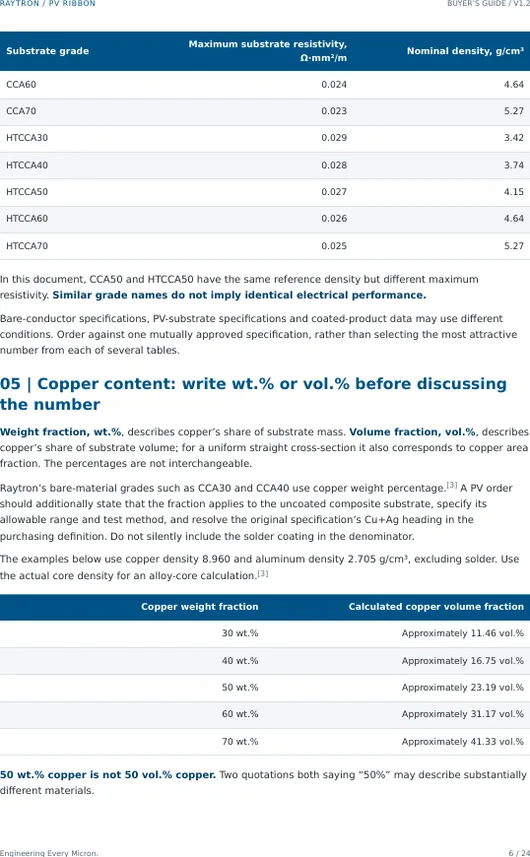
Ribbon position, cell technology, process trials and the ribbon procurement cost basis.
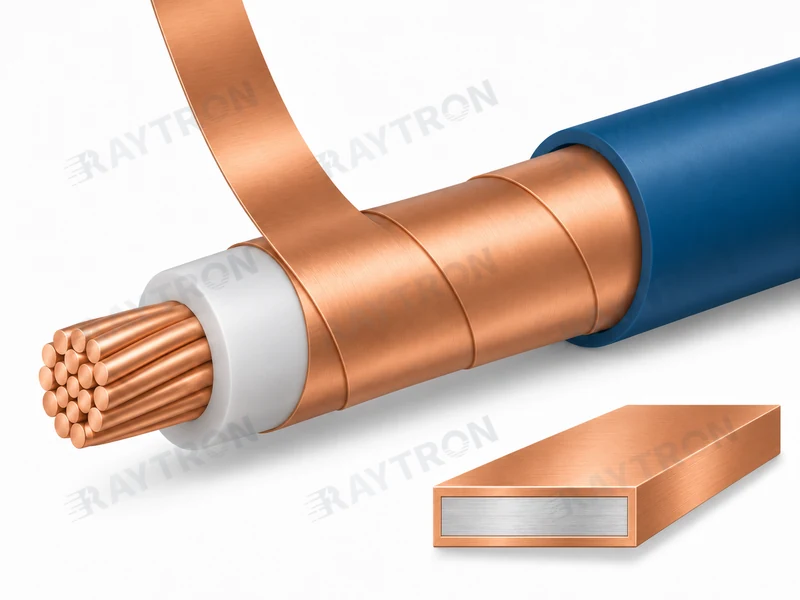
Bare-conductor procurement, termination and the governing installation requirements.
Locate the target round wire, then compare resistance, geometry and its procurement cost.
Web guide · HTML
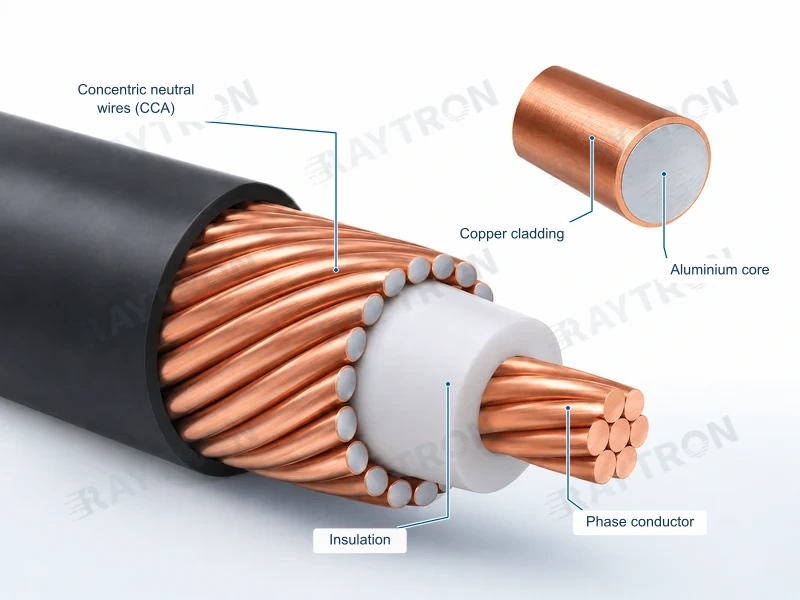
Published LV concentric-neutral and service-cable references, their scope and the inputs for a wire inquiry.
Web guide · HTML
A practical guide to CCA PV ribbon: dimensions, solder coatings, stringing trials, module power, yield, cost per watt and purchasing acceptance.
Web guide · HTML
Choose CCA wire, flat wire, strip, foil and PV ribbon. Understand copper content, resistance, cost, testing and standards. Download the buyer’s guide.
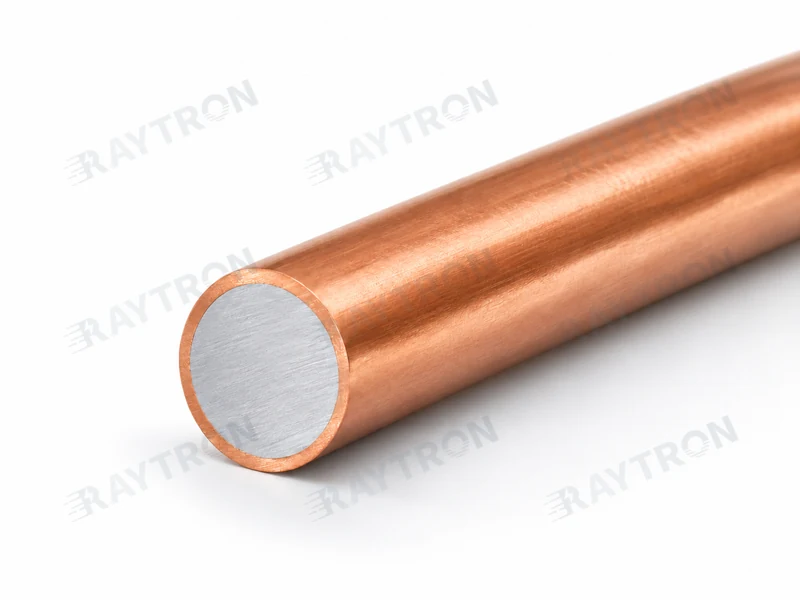
Web guide · HTML
Start with the property your design needs: lower conductor weight, steel-core strength, or a nickel surface over a copper core. Compare finished resistance, dimensions and joining requirements before choosing the material to sample.

Web guide · HTML
Use conductivity to calculate resistance for a defined conductor. Establish current capability in the finished assembly with its insulation, installation, cooling and connections.
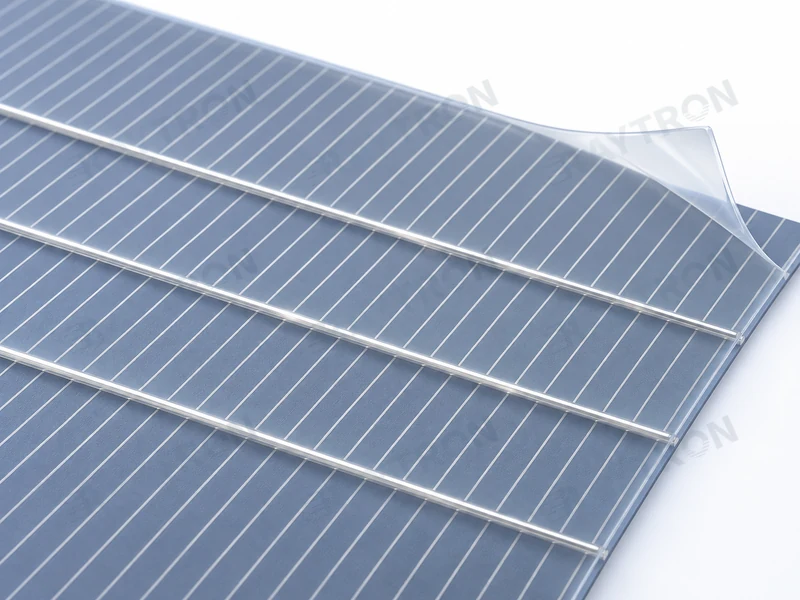
Web guide · HTML
RAYTRON CCA PV ribbon is used at scale in BC and widely in TOPCon. Explore customer ribbon savings above 50%, a 3W difference at 0.24 mm, and sample selection.

Web guide · HTML
Select a connection material by its position in the battery, the mating metals and the joining process. Keep cell-internal current collectors separate from tabs, module links and pack connections.
Web guide · HTML
Copper foil for winding, shielding and precision electrical connections has different surface, edge and handling requirements. Begin with the downstream process and define the finished foil around it.
Web guide · HTML
A useful strip specification connects grade, temper and dimensions to stamping, bending, soldering or electrical duty. Define the surface and coil arrangement with the same care as the metal section.

Web guide · HTML
Specify flat wire as a shaped conductor with corners, straightness and a bending direction. Evaluate its bare section separately from the insulated envelope and the space occupied after winding.
Web guide · HTML
Define the copper substrate, tin surface and finished strip as separate parts of one specification. Then connect them to the soldering, forming or contact operation that the strip must support.
Web guide · HTML
RAYTRON develops CCA building-wire conductors. Compare a 40–55% cost-per-kilometre scenario, U.S. product routes, cladding and processing. Send your specification.
Web guide · HTML
Compare a 36–52% conductor-cost scenario for LV cables. Explore utility specifications, CCA neutral wires and resistance design. Send RAYTRON your cable drawing.
Web guide · HTML
Follow a representative order from incoming material through rolling, coating, inspection and packing. Check the records, measuring equipment and process controls used for the ribbon you plan to buy.
Web guide · HTML
Before requesting PV ribbon samples, agree on the specification, quantity, documentation, fees and shipping terms. Use this checklist to record the test conditions, acceptance criteria and results needed for your qualification process.
Web guide · HTML
Review the supplier against your ribbon construction and production process. Check dimensional control, coating consistency, trial-line performance, traceability, document availability and the capacity allocated to your order.

Web guide · HTML
Select a solder coating around the cell metallization, ribbon construction and stringing process. Compare coating flow, joint strength and electrical resistance within a defined thermal window, then verify the selected interconnect in the module.

Web guide · HTML
Review the supplier’s quality-management certificate, product-compliance documents and applicable technical standards separately. Check the issuer, scope, product coverage and supporting evidence against your specification and target market.
Web guide · HTML
Ask how much capacity is available for your exact ribbon size, coating and packaging. Review current loading, changeover requirements, bottlenecks and the proposed delivery schedule alongside the supplier’s headline capacity.
Web guide · HTML
Send the ribbon construction, dimensions, coating, packaging and required quantity. State whether you need test samples, a qualification lot or recurring supply so Raytron can confirm the order quantity and quote basis.
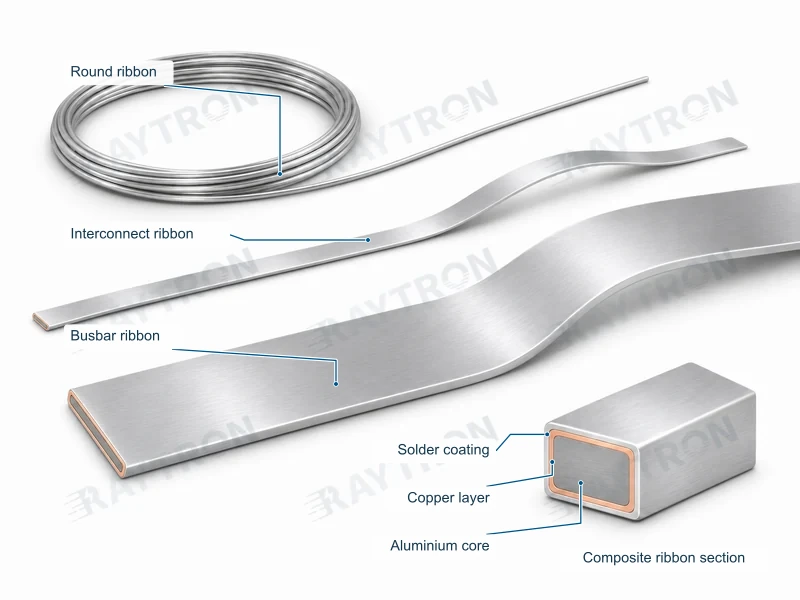
Web guide · HTML
Select the ribbon’s position, conductor construction, geometry and solder coating together. A cell-technology label does not specify a complete ribbon or prove compatibility with a stringing process.
Web guide · HTML
Identify the ribbon construction and the end-product requirements before selecting standards. Use the agreed drawing for ribbon dimensions and acceptance, and list the module or assembly tests required by the customer.
Web guide · HTML
Begin with the observed defect and preserve the failed assembly. Inspect the ribbon, cell metallization, solder coating and joining process together before attributing the result to one material.
Web guide · HTML
Compare suppliers using the same drawing, sample plan and delivery requirements. Request evidence of process control, inspection, traceability and production scheduling for the ribbon construction you intend to purchase.
Web guide · HTML
Plan each stage of your PV ribbon order: specification review, quotation, sample production, qualification, production and delivery. Confirm the start point, required approvals and target dates with your supplier, and allow time for testing and transport.
Web guide · HTML
Define the conductor construction, finished width and thickness, coating and module current path. Add the forming requirements, resistance limit, joining process and spool format. Agree mechanical and joint tests for the actual ribbon construction.
Web guide · HTML
Choose the cross-section to match the cell metallization, module layout and stringing process. Compare resistance, contact geometry, shading and mechanical stress using the actual conductor material and solder coating.
Send the material, drawing, dimensions, quantity and intended use. Add the joining, inspection and delivery requirements you know so the specification and the next step for samples or a quote can be identified.