
Choose Between CCA, CCS and NCC
Start with the property your design needs: lower conductor weight, steel-core strength, or a nickel surface over a copper core. Compare finished resistance, dimensions and joining requirements before choosing the material to sample.
On this page
Identify core, surface and form
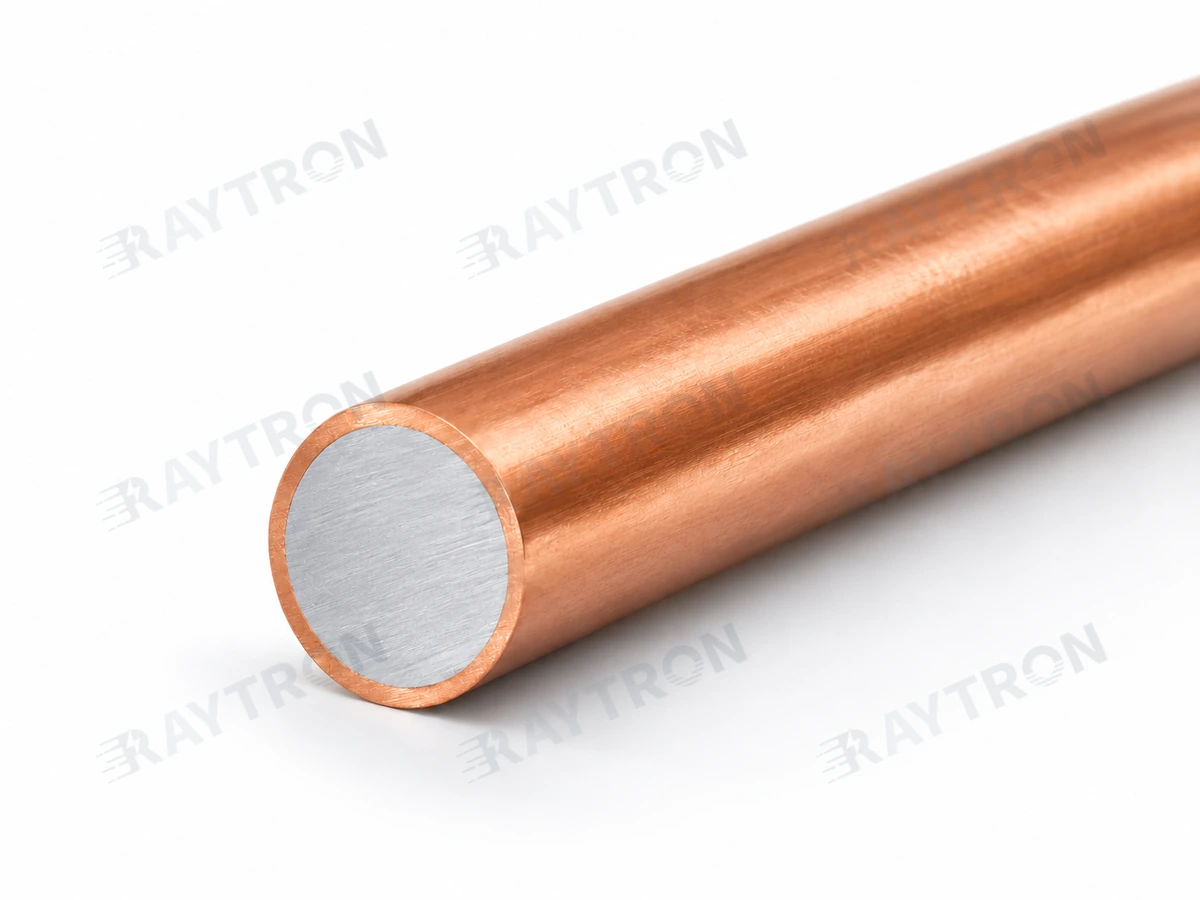
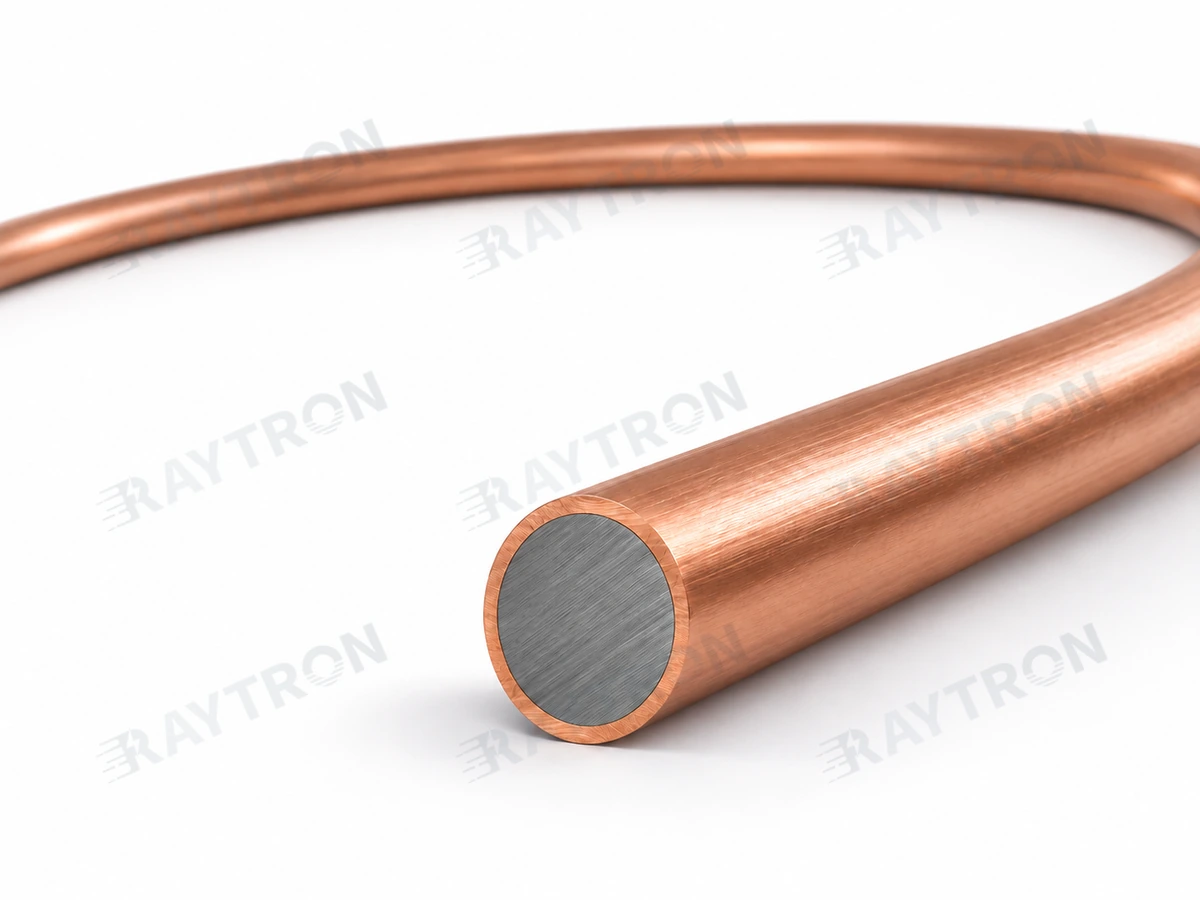
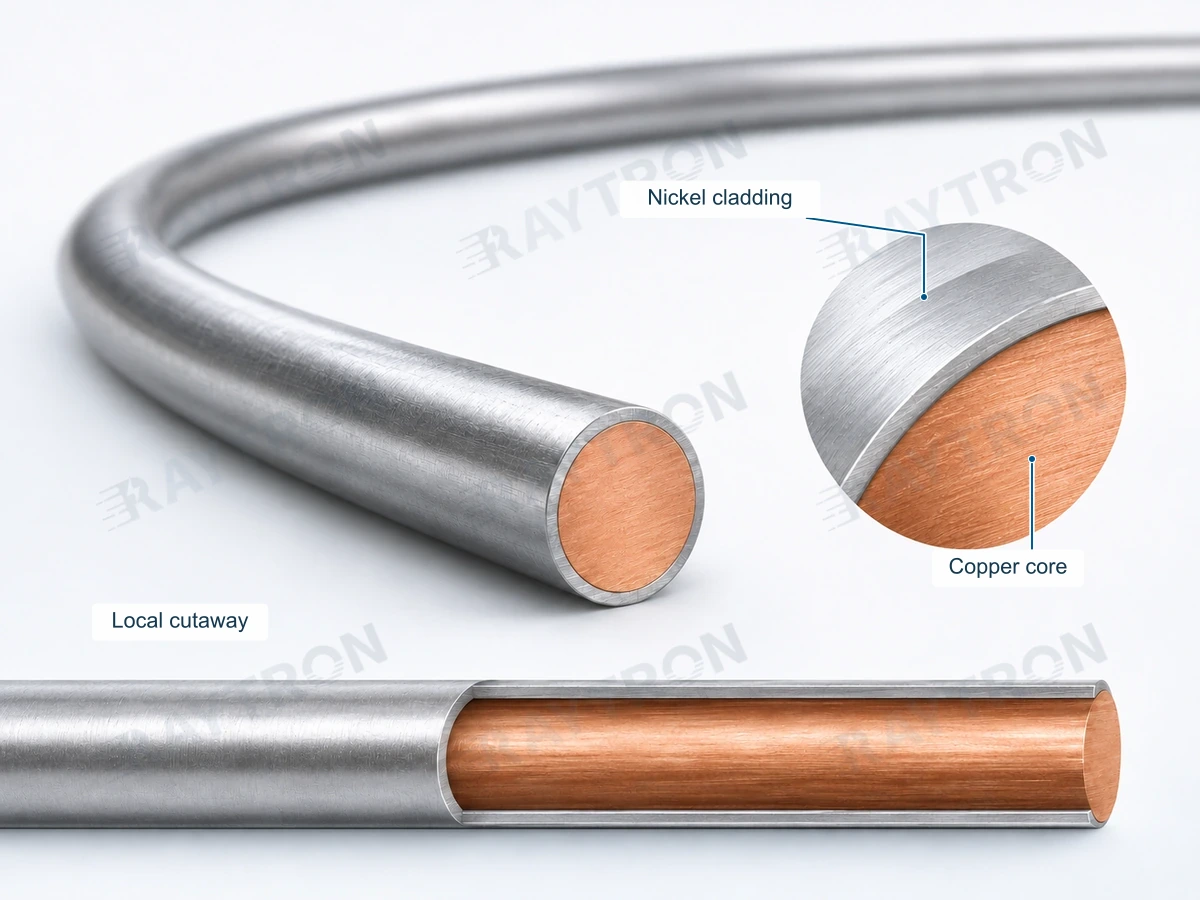
- CCA has an aluminum core with copper cladding; CCS has a steel core with copper cladding; NCC has a copper core with a nickel outer layer. Confirm the actual construction, grade and processing condition.
- Specify round, stranded, flat, strip or foil geometry. State the layer ratio and whether it is by mass, volume or cross-sectional area; those bases cannot be silently exchanged.
Choose a comparison basis
- Fix length, temperature and the required resistance or winding space. Equal section, equal resistance and equal weight comparisons answer different questions.
- Evaluate tensile or bend requirements, cut and formed edges, joining method, dissimilar-metal contacts and environmental exposure. Surface material alone does not establish lifetime or assembly reliability.
Select standards by material and form
- ASTM B566 is for bare round CCA; ASTM B227 and B452 address distinct CCS round-wire scopes. Flat, strip and foil forms need their own agreed purchase requirements.
- For nickel- or silver-surface copper round wire, review the actual construction and relevant B355 or B298 scope. Keep mass-percentage classes separate from layer-thickness requirements.
Plan qualification and supply
- Agree dimensional, resistance, mechanical, interface and joining tests suited to the construction. Identify methods, sampling and acceptance before comparing samples.
- Request batch identification and available inspection documents. For insulated or silver-surface conductors, specify the complete construction and the intended sample evaluation.
Bimetal conductor selection inputs
| Review item | Specification factors |
|---|---|
| Function | Current path, weight, mechanical support, termination surface or environmental requirement |
| Construction | Core and cladding metals, grade, condition, round/flat/foil/stranded form |
| Section and layers | Metal and finished dimensions, tolerances, layer thickness or fraction with stated basis |
| Comparison | Equal length/section/resistance/other design constraint and reference material |
| Electrical data | Resistance or conductivity, temperature, specimen/length, test method and limits |
| Mechanical and joints | Strength/bend/fatigue criteria, terminal/tooling, joining method and service loads |
| Exposure | Temperature, moisture/chemical exposure, insulation or protection and test requirements |
| Qualification and supply | Applicable specification/version, sample plan, acceptance, quantity, package and records |
Question and answer
Can a successful material test authorize replacing a specified copper conductor?
Technical validation and specification approval are separate. Obtain permission from the specification owner, then complete the required assembly and material qualification for the proposed construction.