
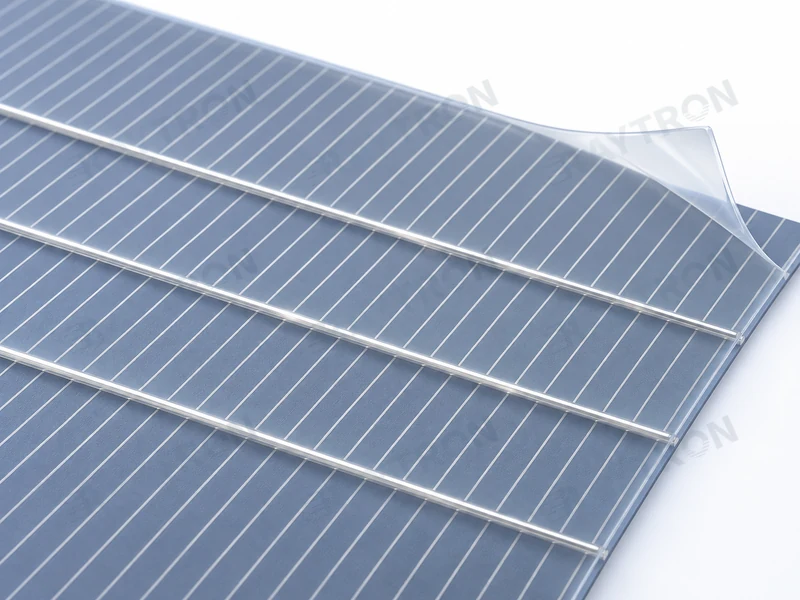
Composite PV ribbon
Composite interconnect, busbar and round solar ribbon. Specify the cell layout, conductor section, resistance and solder coating.
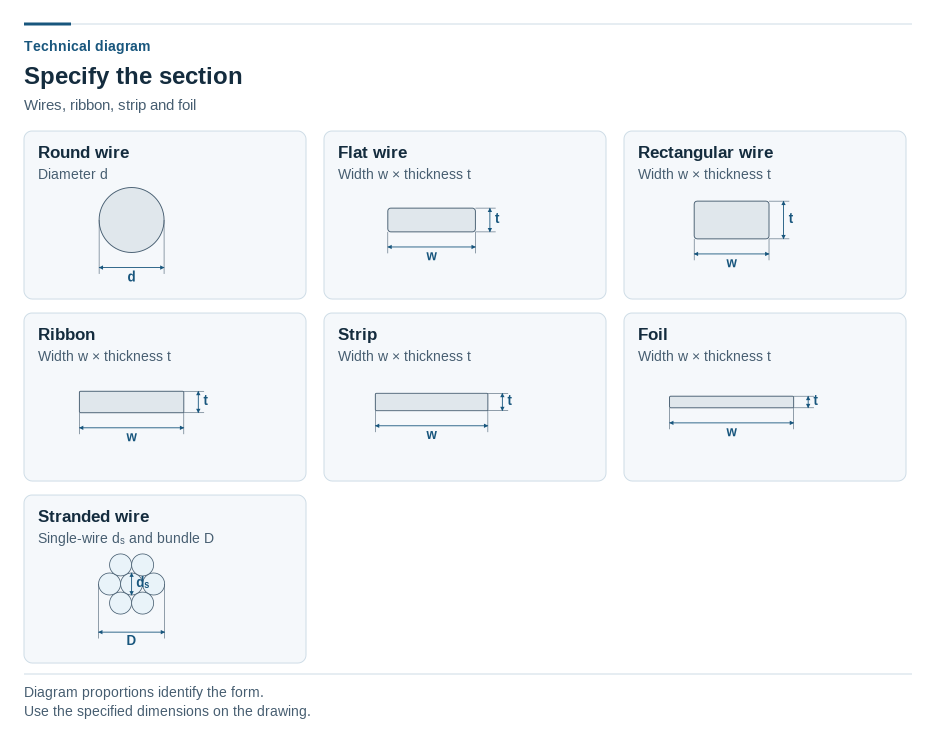
Composite PV ribbon and clad conductors in wire, strip, foil and stranded forms, together with precision-rolled metals. Start with the material family or the component you are designing.
Send a drawing or specification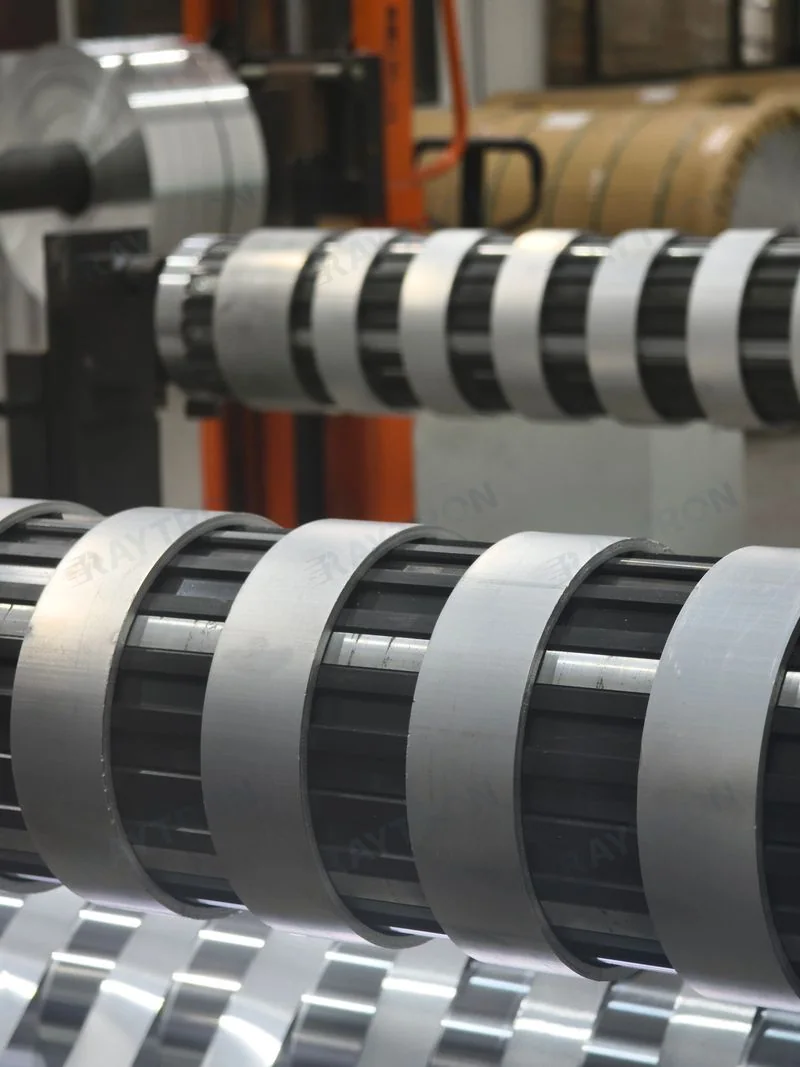
Open a product family to review its construction, dimensions and application requirements.
Composite interconnect, busbar and round solar ribbon. Specify the cell layout, conductor section, resistance and solder coating.

CCA round wire, flat wire, strip and foil for PV ribbon, cables, voice coils, inverter magnetics and medium-small power windings.

CCS round wire, CCS stranded wire and CCS narrow foil for grounding, lightning protection, coaxial cable, electronic leads, connectors and railway applications.

NCC round wire, strip and foil for battery tabs, high-temperature sensors, corrosion-resistant connections and selected high-reliability contact applications.
ROLLED & CONNECTION MATERIALS

Copper, aluminum and nickel strip, foil and flat wire for formed parts, windings and connections. Specify grade, temper, edge and surface requirements.
CUSTOM MATERIALS

Discuss the layer structure, product form, surface and joining requirements for your component. Use the engineering inquiry routes to review specifications and sample requirements.
Choose an application to review candidate materials, operating conditions and connection details.
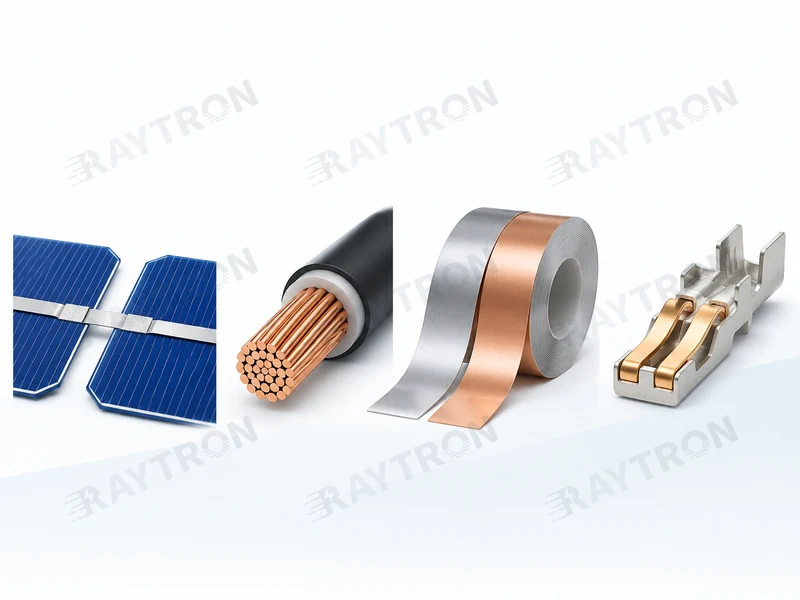
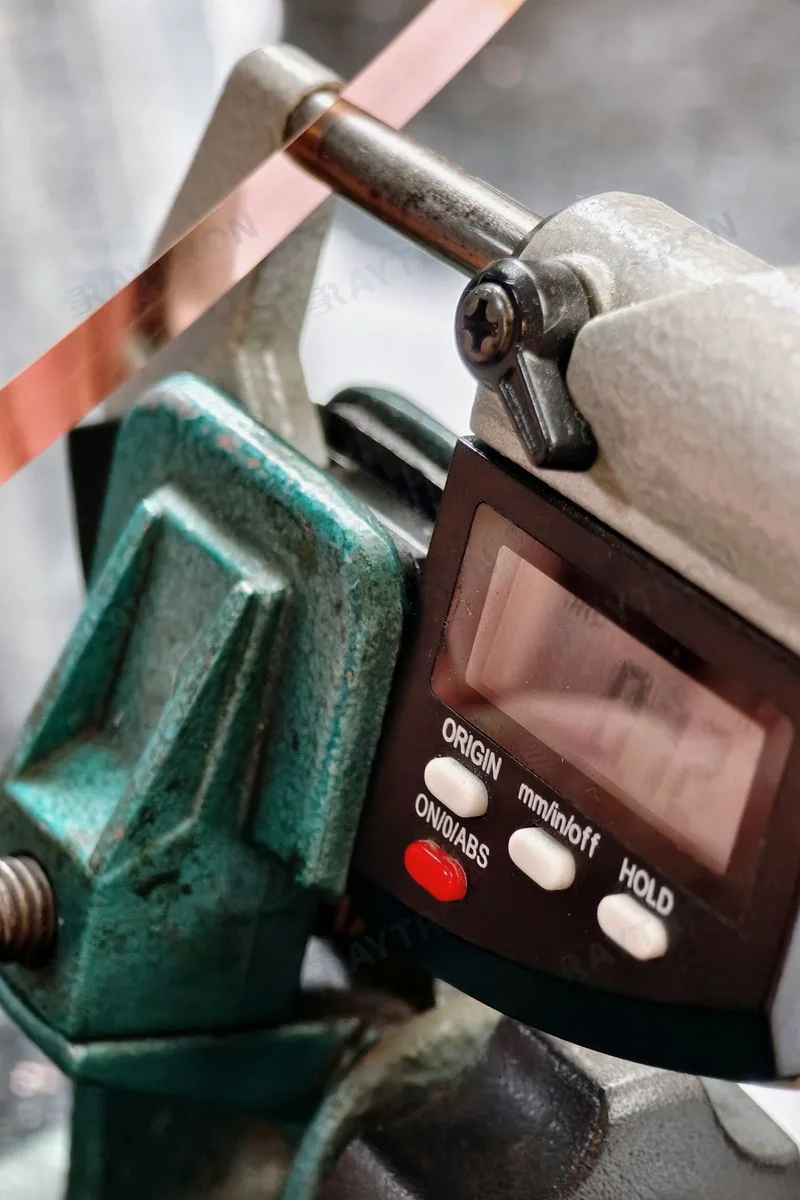
Module interconnection and busbars: conductor section, coating and stringing process.
Cu · CCA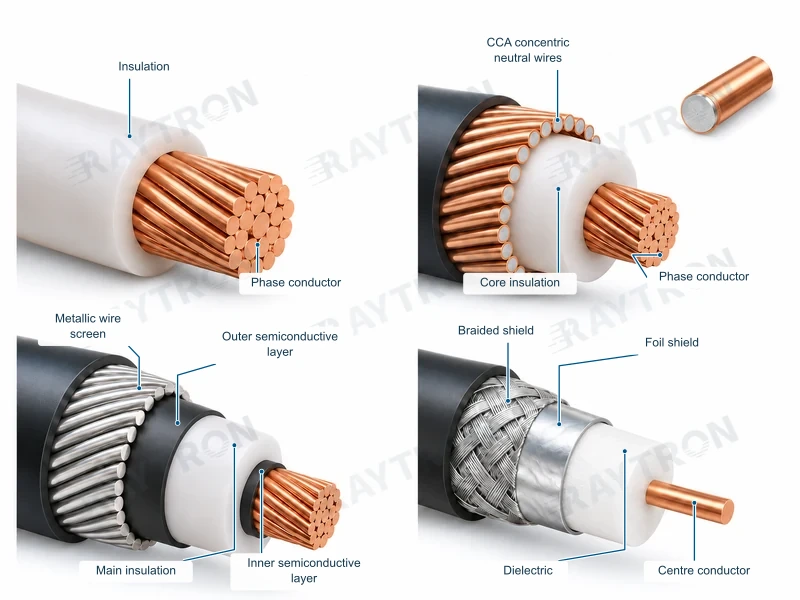
Conductor role, resistance, mechanical load and termination requirements.
CCA · CCS · Cu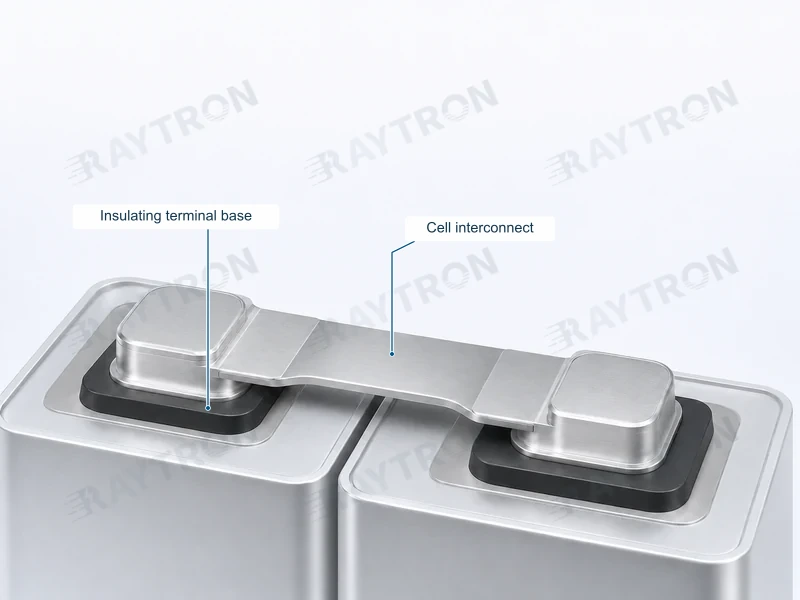
Tabs and joints: metal surfaces, geometry and the welding process.
NCC · Cu · Al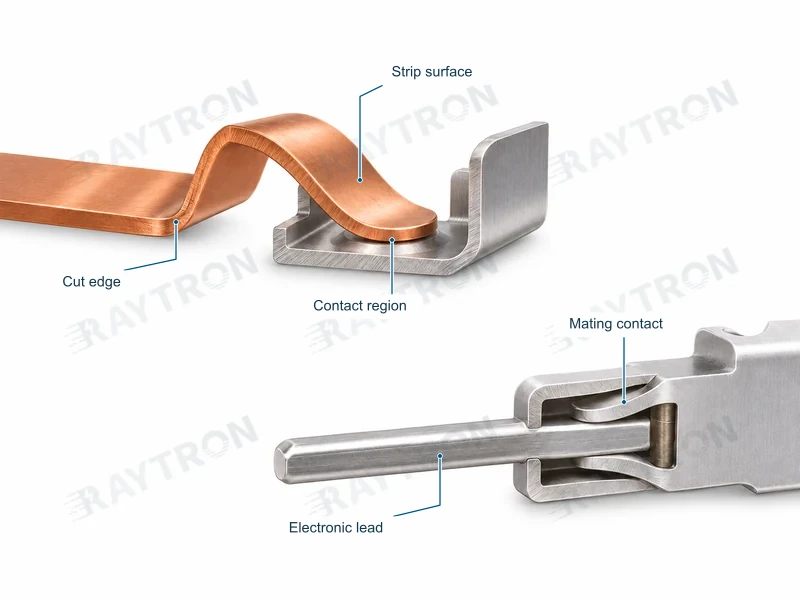
Contacts and leads: formed edges, surface condition and component dimensions.
CCA · NCC · Cu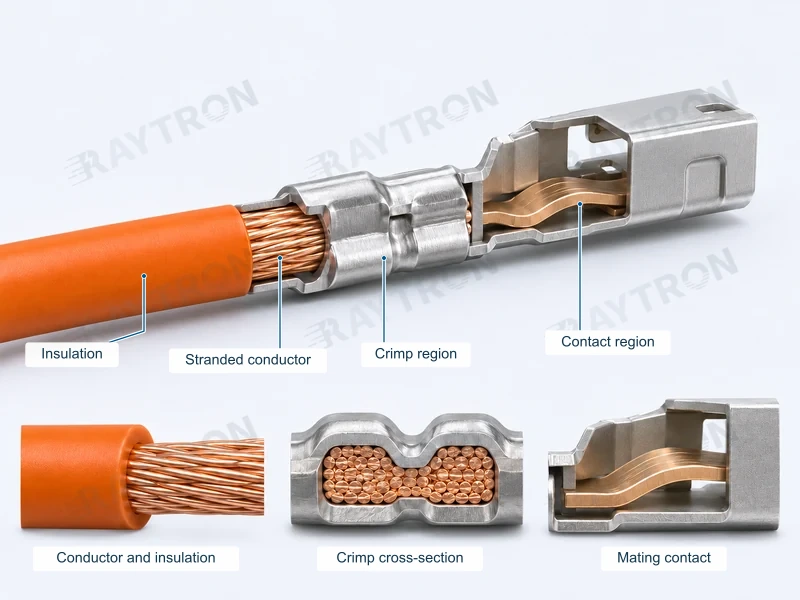
Harness, winding and connection duties within the vehicle assembly.
CCA · NCC · Cu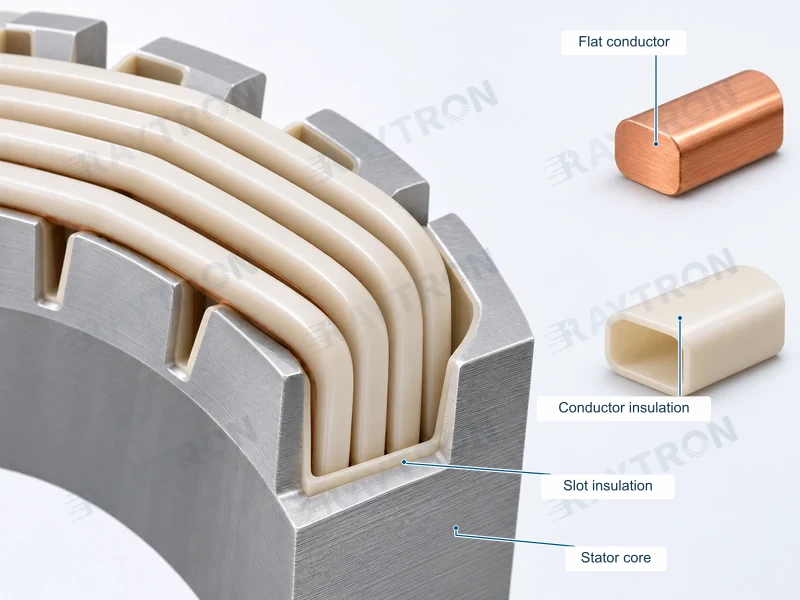
Winding envelope, insulation, conductor form and joining requirements.
CCA · CCS · NCC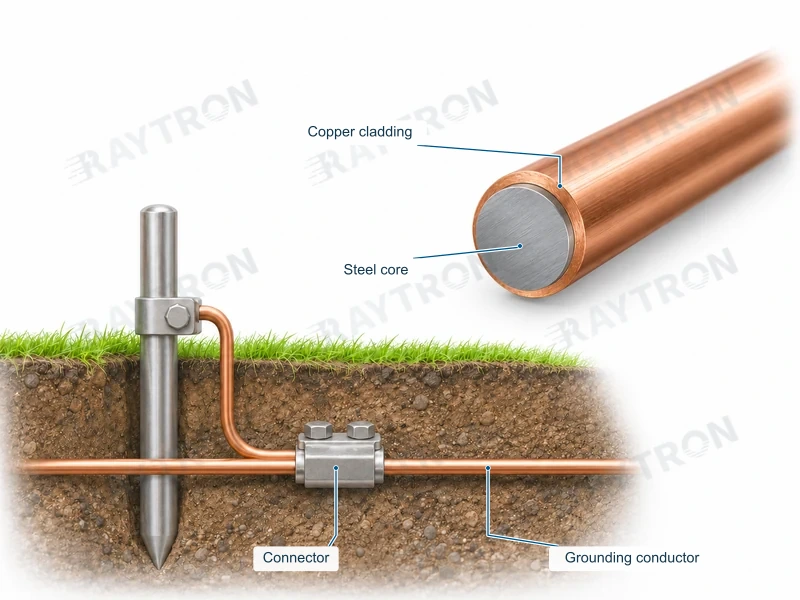
Grounding and structural connections: strength, installation and environment.
CCS · NCC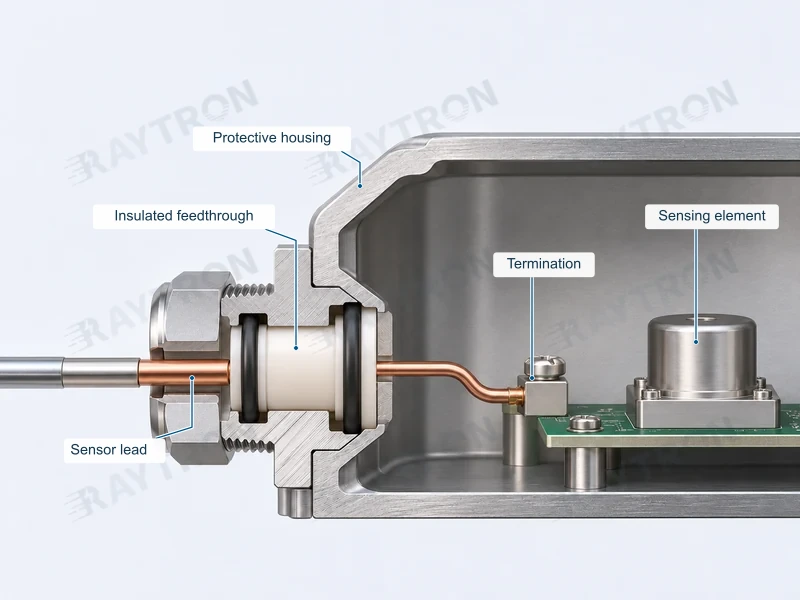
Conductors and connections with defined temperature and chemical exposure.
NCC · CCS
Connection geometry, contact surface and the requirements of the assembly.
NCC · Cu
Conductor mass, geometry and qualification of the complete connection.
NCC · CCA · CuCompare the ribbon geometry and coating requirements for the cell and module design.
PV ribbon by cell technology →Separate phase conductors, LV concentric neutrals, MV screens and RF duties before selecting a cable material.
Cable conductor procurement routes →Use the existing selection questions to organize a material review, or compare the main conductor constructions.

Quick Selector
Stage 1 captures your application fit, stage 2 adds engineering details to size risk and validation. Results are indicative — an engineer confirms the final spec.
Complete all seven choices to review a candidate material. Availability and application approval require confirmation.
Stage 1 · Application fit
Single-metal grade and temper; compare resistance at the required section and temperature.
Aluminum core and copper surface; define layer ratio basis, joint design and equal-resistance geometry.
Steel core and copper surface; distinguish mechanical load, current duty and grounding-system role.
Copper core and nickel surface; evaluate layer construction, formed edges, joining and actual exposure.
Fix length, resistance, temperature and termination before comparing mass or cost. SCC supply and qualification require a separate engineering review.
Review material definitions, selection questions and documents before preparing a quotation request.

A structured map for composite PV ribbon, CCA, CCS, NCC and supporting rolled materials, helping engineering and buyer teams understand Raytron’s capability boundaries.
View Map →
Answers product definition, specification, application-limit, inspection-document and supplier-audit questions before RFQ submission.
Review FAQs →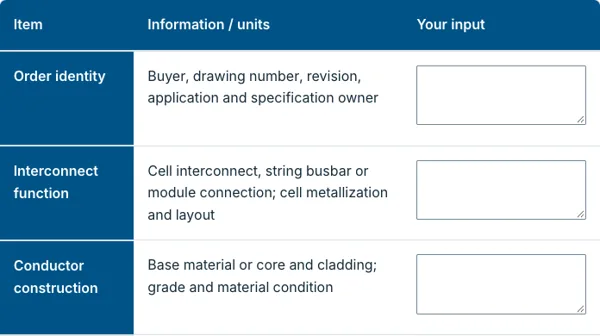
RFQ checklists for drawings, specifications, tolerances, applications, packaging and requested test documents so quotation quality improves faster.
Open Buyer Kits →Decision guides for CCA, CCS, NCC, composite PV ribbon and traditional material alternatives, including when substitution fits and when validation is required.
Compare Material Routes →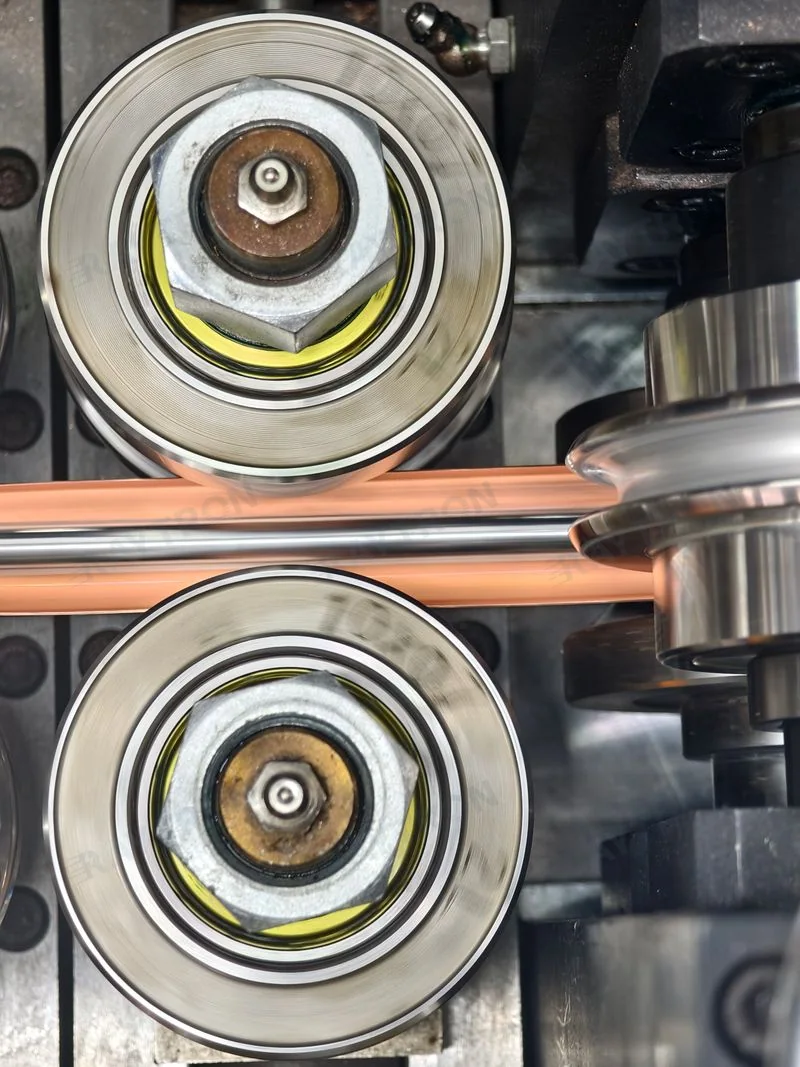
Clad bonding, rolling and finishing connect the material structure with the finished product. Review the processing route and required inspection records for your part.
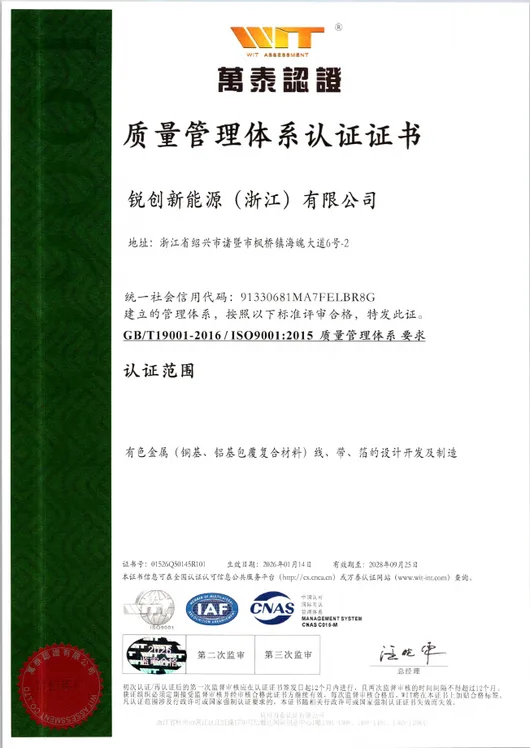
Review the quality-management certificate and its scope. Specify product and market requirements when requesting RoHS or REACH documentation.
Certificates & documentation →Include the application, material, form, dimensions, tolerances and expected quantity.