
Copper Foil
Rolled Copper Foil
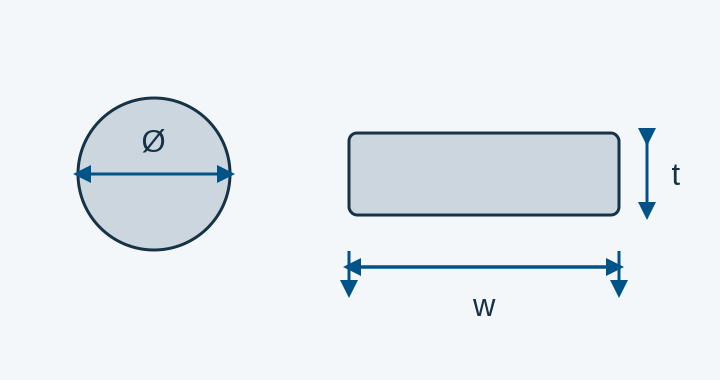

Rolled copper foil is produced by reducing copper to a thin section. Select temper, thickness and surface condition for the intended winding, forming or bonding process. Include slit width, edge quality, roll dimensions and splice requirements in the order specification.
On this page
Construction and specification
Scroll horizontally to read all columns.
| Item | Specification |
|---|---|
| Material construction | Specified copper grade and temper |
| Product form | Foil |
| Surface | Bare, treated, anti-oxidation or adhesive-ready |
| Supply format | Rolls, slit rolls or sheets |
Specify rolled foil for the downstream operation
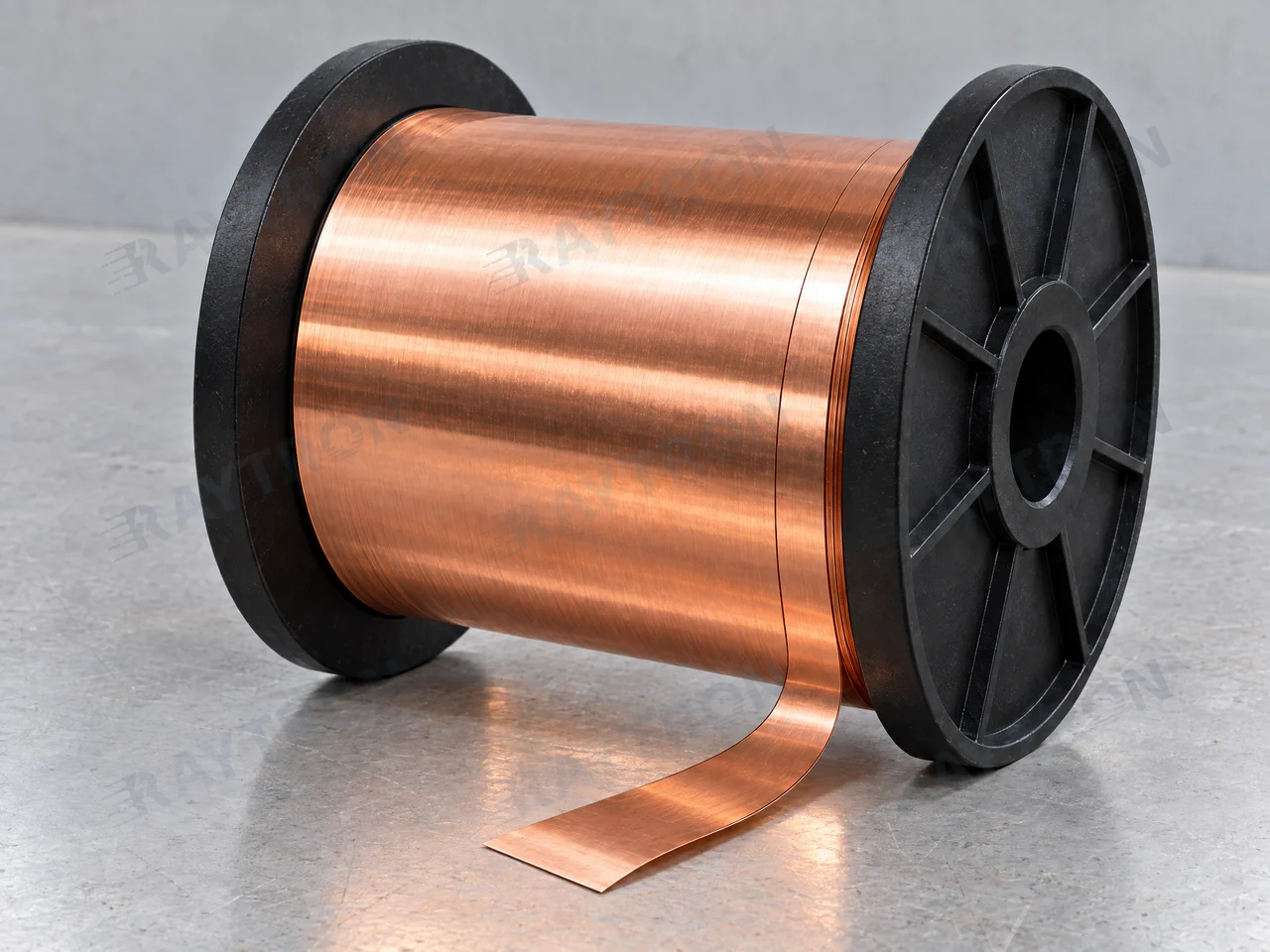
The rolled route describes how the foil is made, while grade, temper, surface and thickness describe what the process receives. Winding, shielding and lamination each add different edge and handling requirements.
Define usable width, thickness uniformity, winding direction, core and surface condition. Review the actual roll and finished assembly rather than treating all copper-foil routes as interchangeable.
Copper foil route and procurementSpecification design factors
Drawing-defined specification
Geometry and performance
- Gauge, usable width and surface condition define the thin conductor layer.
- Edge quality and winding tension affect tracking and handling.
- Core size and roll build govern unwinding on the downstream equipment.
Selection and processing
Rolling describes how the copper is reduced to foil. Temper and surface describe the supplied condition; winding, bonding or battery use adds its own requirements. Agree roll dimensions, splice policy and handling conditions for the intended process.
Material and form references
Foil specifications identify thickness distribution, usable width, surface condition, pinholes and roll handling. Agree the inspection method for the foil construction and downstream process.
Standards and product formsProduct questions
What is rolled copper foil?
rolled copper foil is a thin copper material supplied in rolls or sheets for battery, electronics, thermal, shielding and precision industrial applications.
How is rolled copper foil different from copper strip?
Copper foil is thinner and used where low thickness, flexibility, surface quality or high-frequency performance is important. Copper strip is thicker and used for structural current-carrying parts.
Can Raytron slit rolled copper foil to narrow widths?
Yes. Raytron can supply slit rolls and custom widths for downstream lamination, stamping, winding or assembly processes.
What affects foil handling and surface performance?
Gauge, usable width and edge quality influence tracking and damage during unwinding. Surface texture and cleanliness affect the downstream bond or contact. Core size, roll build and tension connect the foil to the processing equipment.
Related products
Prepare your inquiry
- Width, thickness and tolerances
- Edge condition, burr, surface and roll dimensions
- Metal grade and temper
- Surface finish or coating, joining method and inspection requirements
- Quantity, spool or coil format, packaging and delivery destination