
Copper Strip
Copper Strip for Electrical Parts
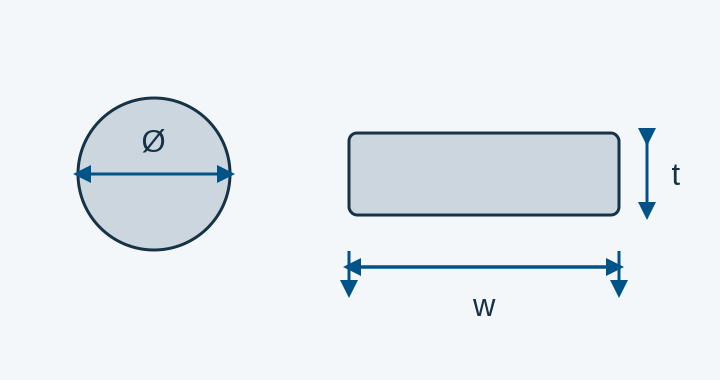

Copper strip is used for terminals, connectors, busbars and other formed electrical parts. Select the grade and temper for conductivity, strength and forming, then define the edge and surface finish for stamping, plating or joining.
On this page
Product forms and application positions
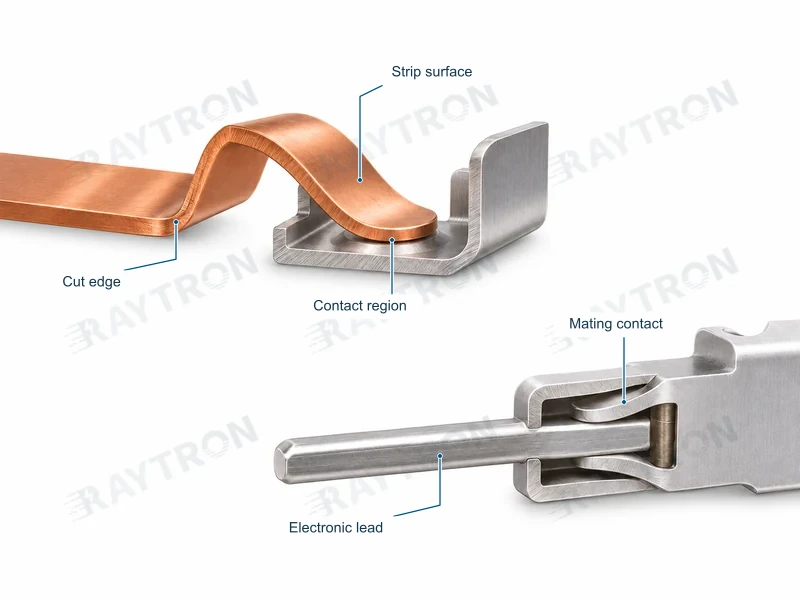
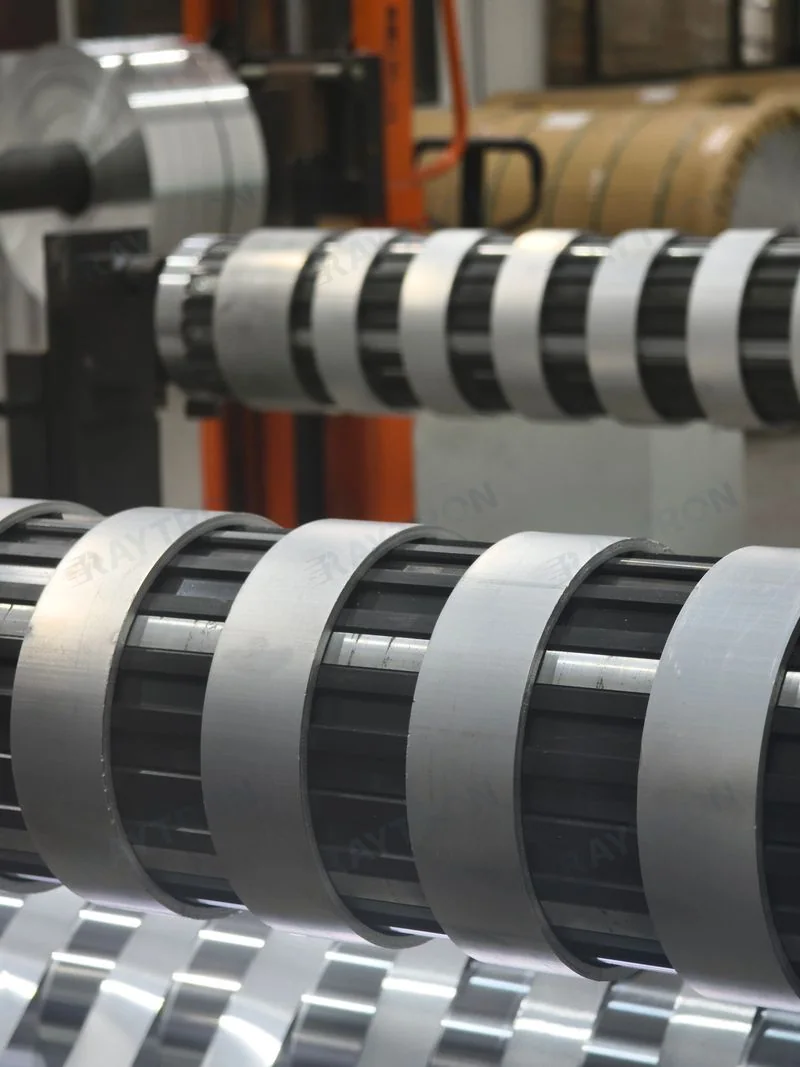
Construction and specification
Scroll horizontally to read all columns.
| Item | Specification |
|---|---|
| Material construction | Specified copper grade and temper |
| Product form | Strip |
| Temper | Soft, half hard, hard, custom annealed |
| Surface | Bare copper, tin plated, nickel plated or embossed |
Connect grade and temper to the forming operation
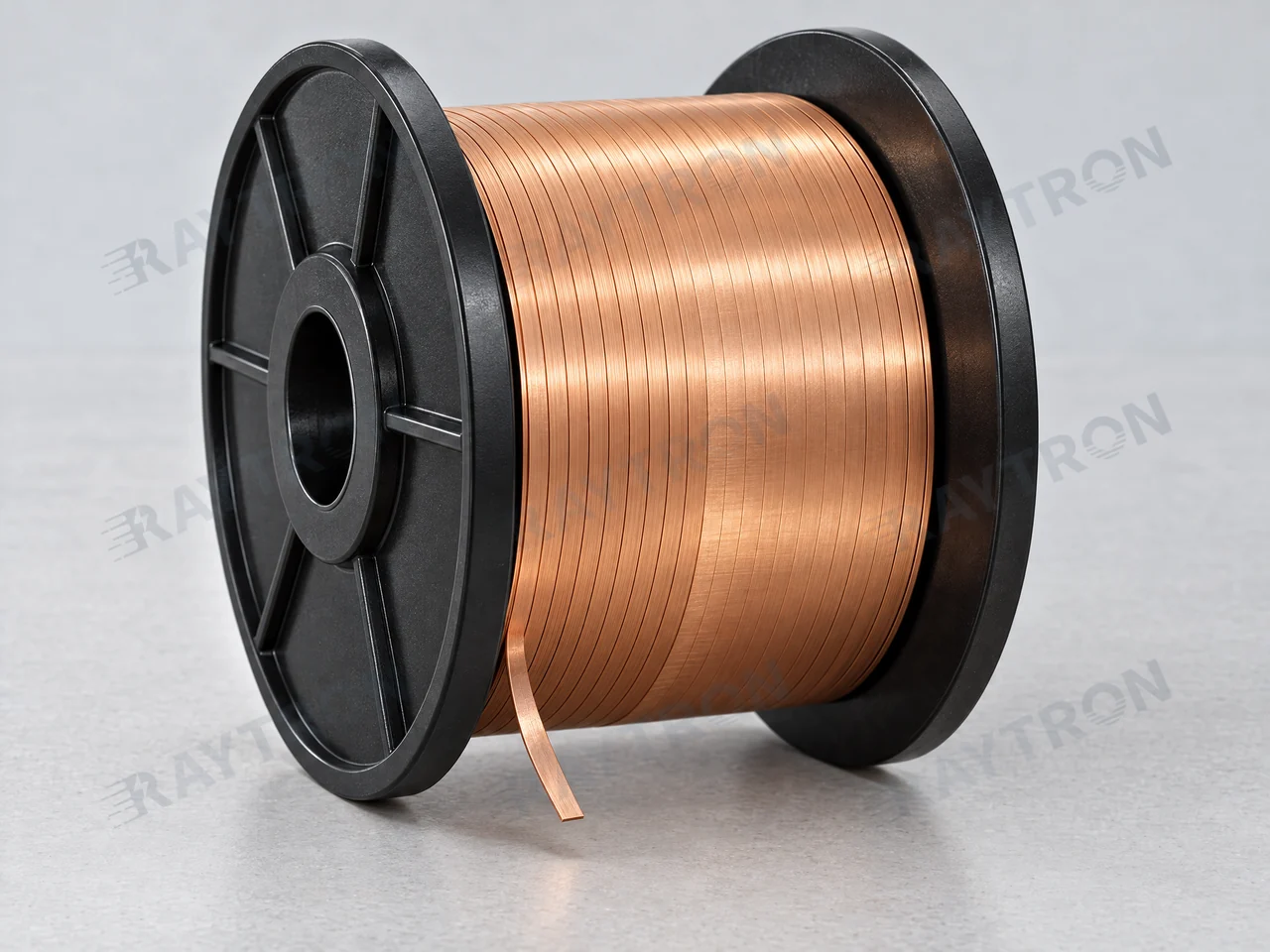
Strip for a stamped terminal, a bent link and a winding has different part requirements. Use the finished part to define copper grade, temper and the paired width/thickness dimensions.
Include burr direction, edge profile, grain or forming direction, surface and coil format. Bare strip and tin-plated strip need separate surface acceptance.
Copper strip specification guideSpecification design factors
Drawing-defined specification
Geometry and performance
- Thickness, width and temper govern forming and stamping behavior.
- Edge profile, burr direction and rolling direction affect the finished part.
- Surface and joining conditions determine electrical contact at the connection.
Electrical parts and forming
Copper strip combines a conductive section with a temper suited to stamping or bending. Specify grade, temper and the paired thickness and width on the part drawing; separate limits do not establish every dimensional combination.
Edge profile, burr direction and rolling direction influence forming behavior. Surface finish supports the selected plating, welding, soldering or contact process. Coatings and insulation are recorded separately from the bare section, and electrical values retain their grade, geometry, temperature and test method.
Material and form references
Strip specifications identify grade or layer construction, temper, width, thickness, burr and edge condition. Inspection follows the forming, joining or winding process for the finished part.
Standards and product formsProduct questions
What is copper strip used for?
copper strip is used in electrical connectors, terminals, busbars, batteries, shielding, electronics and industrial assemblies where conductivity, formability and dimensional stability matter.
Which drawing details are needed for Copper Strip for Electrical Parts?
Width, thickness and tolerances. Edge condition, burr, surface and roll dimensions. Metal grade and temper. Surface finish or coating, joining method and inspection requirements. Quantity, spool or coil format, packaging and delivery destination.
What information is needed for a copper strip quotation?
Please provide material grade, thickness, width, temper, surface finish, annual demand, packaging preference and target application.
What affects strip forming and coil handling?
Thickness, width, temper and rolling direction govern forming response. Edge profile and burr direction affect the finished part. Camber describes lateral curvature; flatness describes departure from a plane, so the two address different processing effects.
Which material condition belongs with an electrical value?
Keep the metal grade, temper, geometry, measurement temperature and method with the value. Surface plating or insulation is a separate construction feature; a family name alone does not define the finished part.
How are width and thickness related to the finished part?
The drawing pairs width and thickness and identifies corners, edge condition and temper. Separate width and thickness limits do not establish every combination. A coating or insulation build is recorded separately from the bare metal section.
Related products
Prepare your inquiry
- Width, thickness and tolerances
- Edge condition, burr, surface and roll dimensions
- Metal grade and temper
- Surface finish or coating, joining method and inspection requirements
- Quantity, spool or coil format, packaging and delivery destination