
Copper-Aluminum Composite PV Ribbon & Busbar Ribbon
Copper-Aluminum Composite Round Solar Ribbon
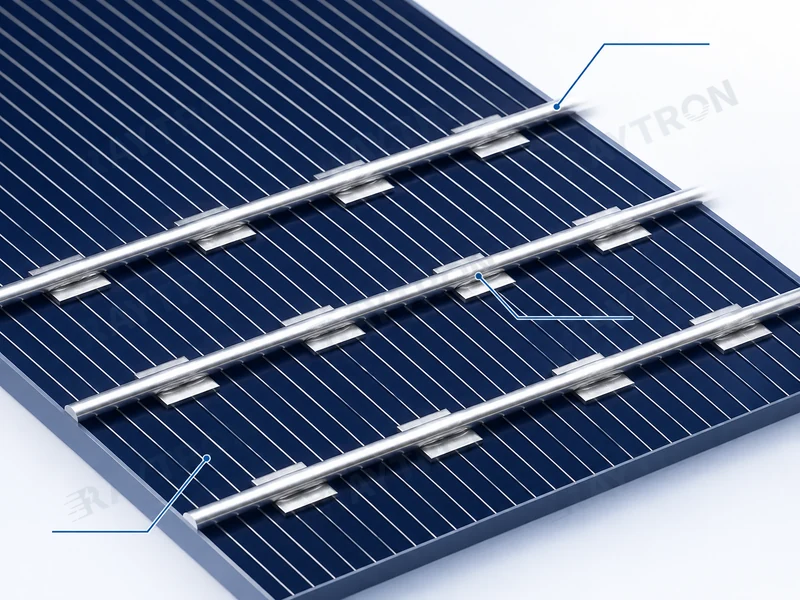
This round solar conductor uses a copper-aluminum composite core with a solderable surface. Specify finished diameter, coating, mechanical properties and spool format for the cell layout and stringer. Compare resistance and module performance with the existing conductor before approving the change.
On this page
Ribbon forms and reference sizes
Round ribbon connects cells along the string. Flat interconnect and busbar ribbon use separately defined width and thickness for their connection positions.
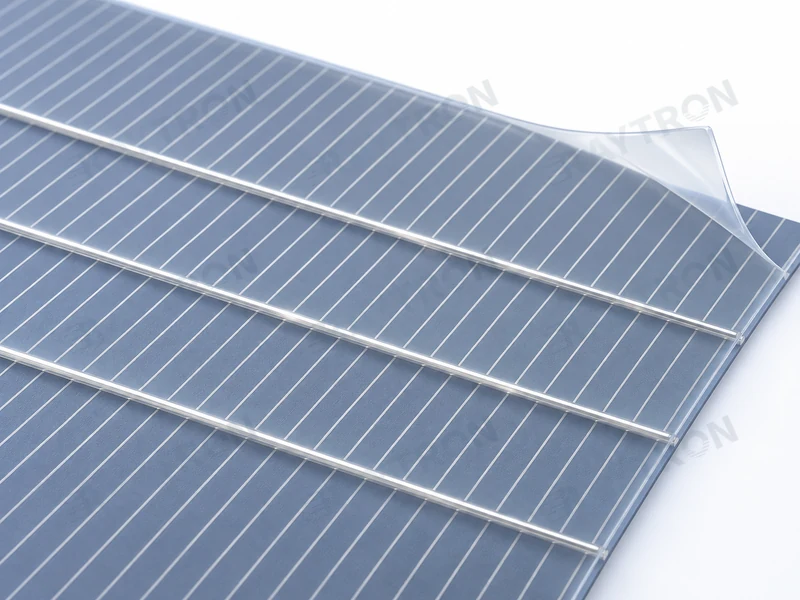
Nominal coated round diameters
- Ø 0.22 mmUse in sample request →
- Ø 0.24 mmUse in sample request →
- Ø 0.26 mmUse in sample request →
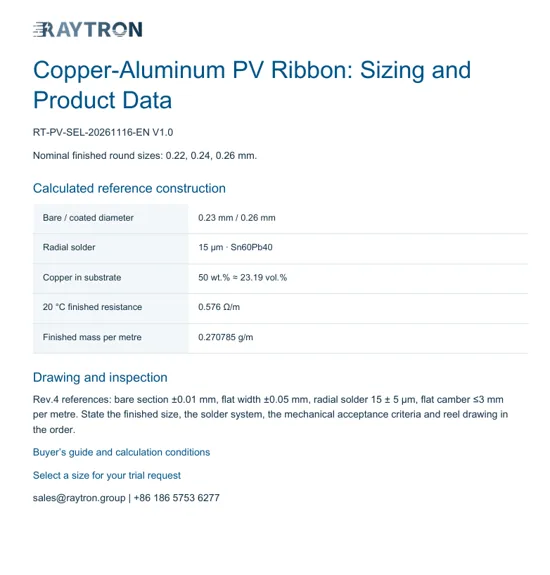
Record bare and finished diameter, solder chemistry, copper fraction basis, and the spool drawing in the order specification.
Download the technical data sheet · PDF ↓Construction and specification
Scroll horizontally to read all columns.
| Item | Specification |
|---|---|
| Material construction | Copper-aluminum composite conductor with a separately specified solder coating |
| Product form | Round solar wire |
| Geometry for quotation | State bare-metal and solder-coated thickness with tolerance for flat ribbon; use diameter for round wire |
| Surface | Tin or solder coating options by soldering process |
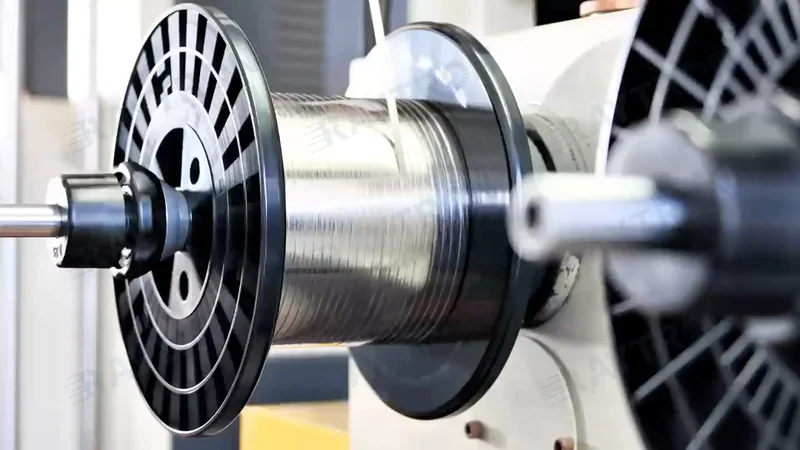
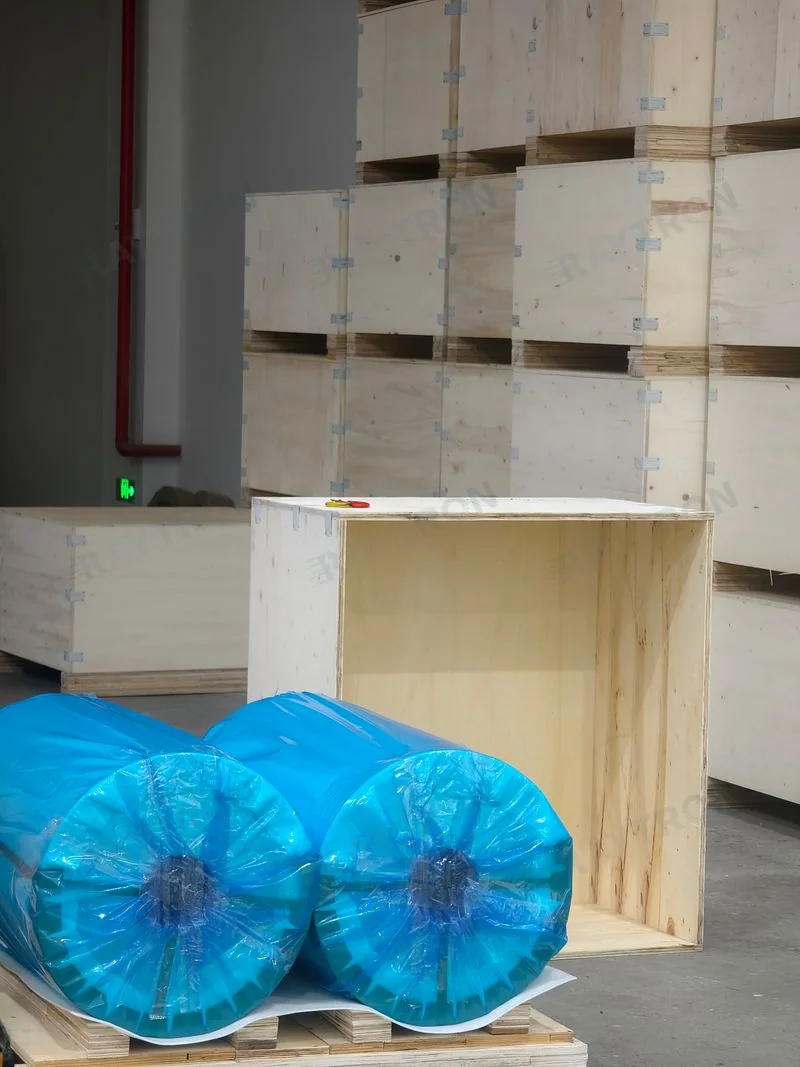
| Packaging | Spool, traverse wound spool or customer-specified package |
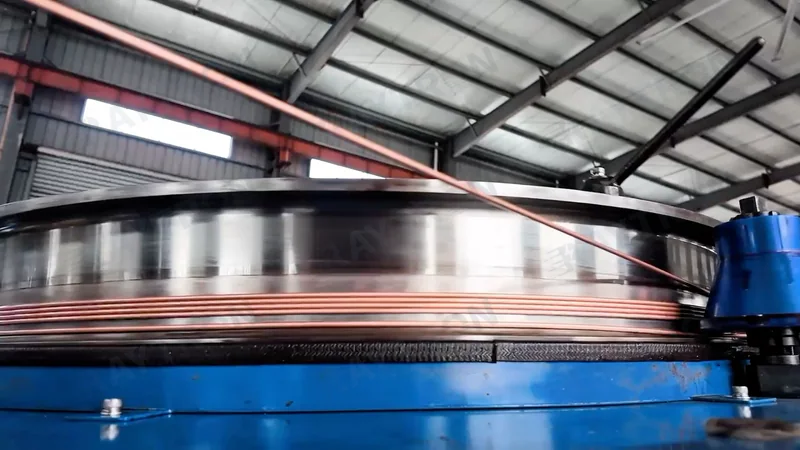
Round ribbon specification and winding
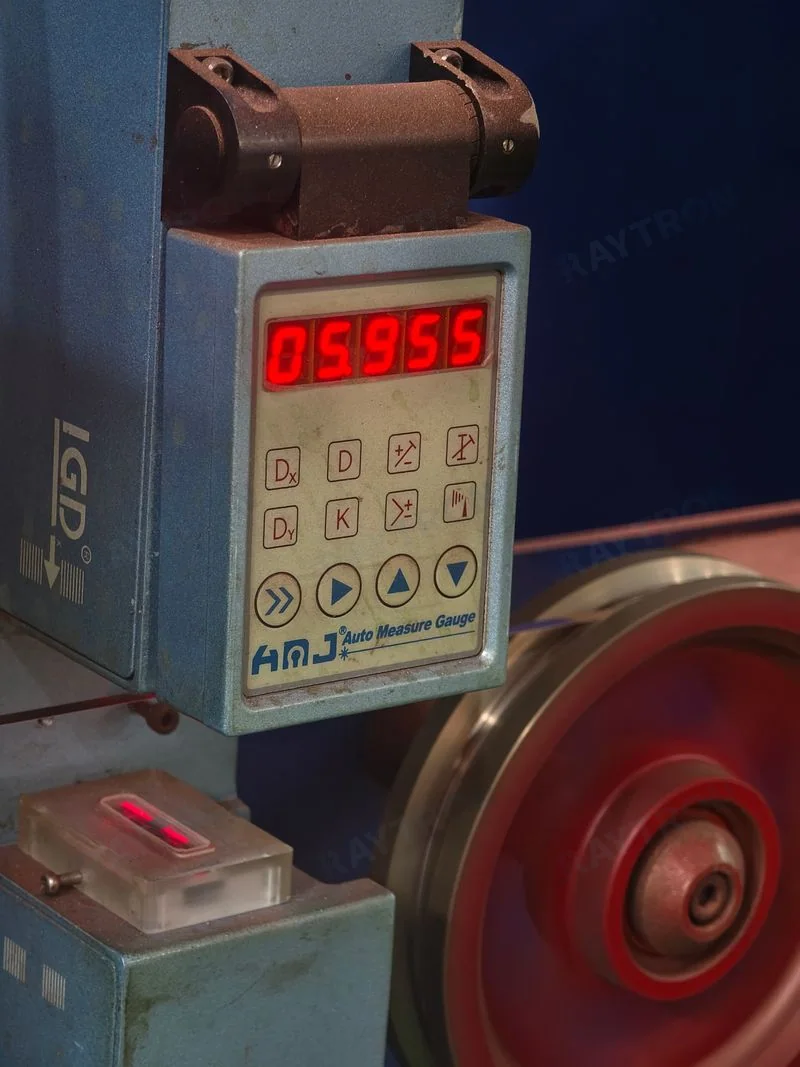
Production and finished dimensions
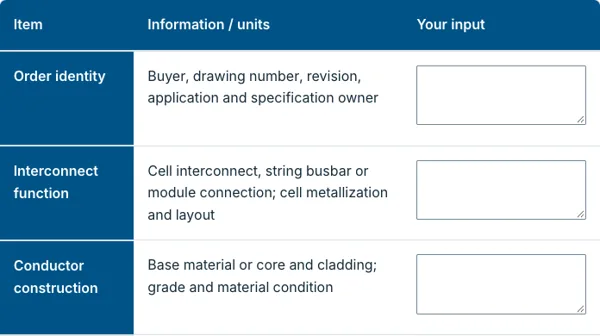
Order specification and reel protection
Specify a round conductor with its coated diameter
Metal diameter and finished coated diameter are separate dimensions. The copper-aluminum conductor provides the current path; coating and cell contact geometry define the joining surface.
State diameter tolerance, straightness, coating, reel winding and feed conditions. Use the intended round-wire cell layout for joint and module assessment rather than inheriting a flat-ribbon width/thickness table.
Round and flat PV interconnectsSpecification design factors
Drawing-defined specification
Geometry and performance
- Diameter and ovality determine the metal section and fit in the finished assembly.
- Resistance depends on material, section, length and temperature.
- Temper and surface condition affect drawing, bending and joining.
Selection and processing
This product has a round section. State bare conductor diameter, roundness, coating thickness and finished diameter, together with mechanical requirements and spool format. Width/thickness ranges for flat ribbon do not define this wire.
Material and form references
PV ribbon specifications separate the metallic conductor section from the solder coating. Cell layout, wire positioning, joining and module tests describe the intended interconnection.
Standards and product formsProduct questions
Which diameters belong on a round solar ribbon drawing?
Specify the bare conductor diameter and roundness, then the finished outside diameter after solder coating. Give tolerances for each measured dimension. Report solder alloy and coating thickness separately from the conductor and its copper proportion.
What should we check during spool payout and stringing?
Use the intended spool, payout direction and line tension. Check tracking, straightness, coating condition and joint formation on the actual cell layout. Record the process settings, peel results and EL observations before approving the trial. Read the guide section →
Which stringer operation changes for the documented TOPCon round-ribbon route?
Disable or bypass the local flattening operation used for the previous copper ribbon in this substitution route. Confirm the revised recipe with equipment and process staff, then evaluate joint quality and module performance against the existing reference. Read the guide section →
Related products
Prepare your inquiry
- Bare conductor diameter, tolerance and finished diameter if coated or insulated
- Temper, required resistance and termination
- Core and outer-layer metals, each layer or ratio, and mass or volume basis
- Coating alloy and thickness, soldering conditions, cell layout and spool format
- Quantity, spool or coil format, packaging and delivery destination