
Engineering FAQ Guide
Battery Connection Materials FAQ
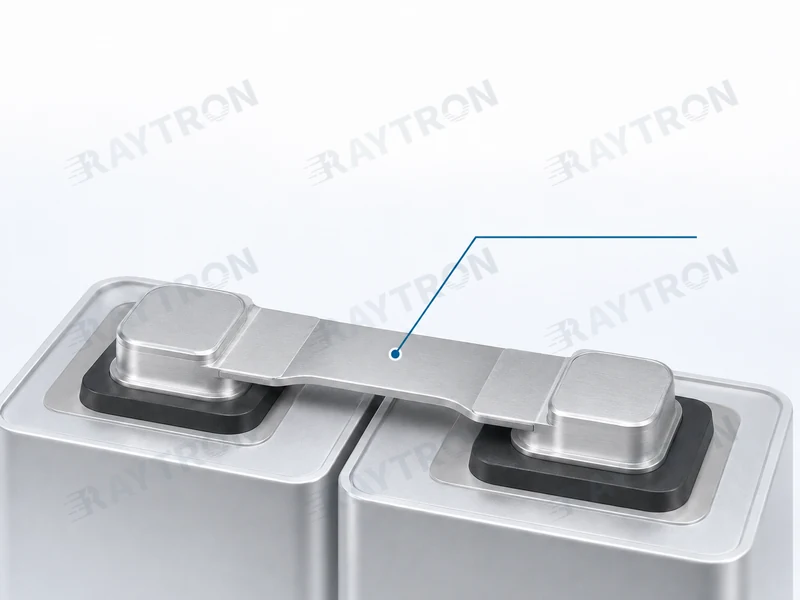
How do tabs, module links and pack busbars differ?
A cell tab transfers current from the cell terminal, a module link connects cells, and a pack busbar connects larger assemblies. Their mating metals, geometry, current duty and joining processes differ. Cell-internal current-collector foil is a separate component.
Define the cell or pack connection, mating materials and joining process before comparing conductor geometry, surface condition and electrical requirements.
Primary Applications
- EV batteries
- ESS modules
- cell tabs
- module links
- pack busbars
Critical RFQ Specifications
- material stack
- thickness
- width
- plating
- weldability
- traceability
Selection
Which corrosion details matter?
Identify electrolyte or moisture exposure, temperature, contact between dissimilar metals, coating coverage and exposed cut edges. Specify the environment and test duration rather than relying on a nickel or tin surface name.
Specifications
Which details distinguish a tab, module link and busbar?
Identify connection position, mating metals, available space, thickness and current-path length. Provide the continuous and peak current profile, cooling, joining area and permitted temperature rise.
Testing
How should joining risk be evaluated?
Test the actual mating metals and surface conditions using the intended weld, solder or mechanical connection. Record settings, joint geometry, pull or peel method, cross-section and joint resistance before and after the required cycling.