
Precision Rolling of Bimetallic Strip
Rolling a clad strip requires control of both its final dimensions and the bond between layers. Define thickness, width, flatness, edge condition and surface requirements together, then agree how each will be measured and reported for the supplied coil.
Author: Raytron Content Team
Content Team
On this page
Specify the output that the next process needs
Scroll horizontally to view all columns.
| Feature | Measurement or drawing context | Downstream purpose |
|---|---|---|
| Width and thickness | Location, tolerance and sample condition | Die fit, conductor section and feeding |
| Corners and edge burr | Profile, direction and measurement method | Forming and insulation clearance |
| Camber and flatness | Gauge length and restraint condition | Tracking and stacking |
| Surface | Finish, coating and cleanliness | Joining and contact |
| Coil arrangement | Core, winding direction and roll dimensions | Unwinding and traceability |
Review these with the strip specification guide or flat-wire guide. Equipment count is not a substitute for an agreed product requirement and measurement method.
Differences in the layers' mechanical properties affect how they respond during rolling. Uneven deformation can contribute to thickness variation, residual stress and distortion. The pass schedule and reduction per pass therefore need to suit the material combination.
Roll gap, roll alignment, temperature, surface condition and rolling speed all affect the process. None of these settings, taken alone, describes the accuracy of the finished strip.
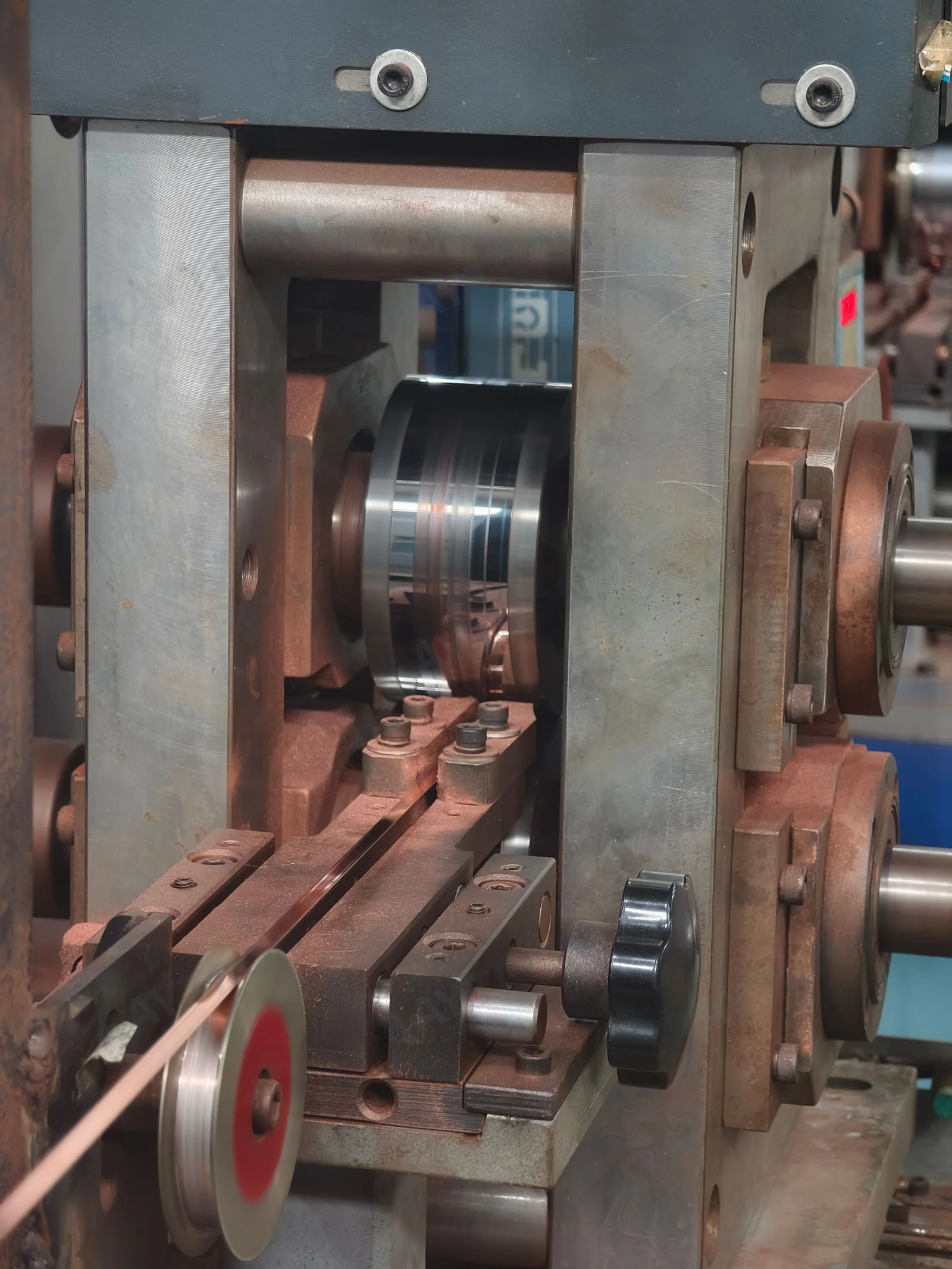
A strip can meet its average thickness target and still have unacceptable variation across its width or along the coil. Flatness, camber, edge condition and surface quality also matter to the next operation, whether that is slitting, forming, winding or joining.
This is why a finished-strip specification needs more than a headline tolerance. It should identify the material layers, total thickness, width, temper and the dimensional and surface limits needed by the application.
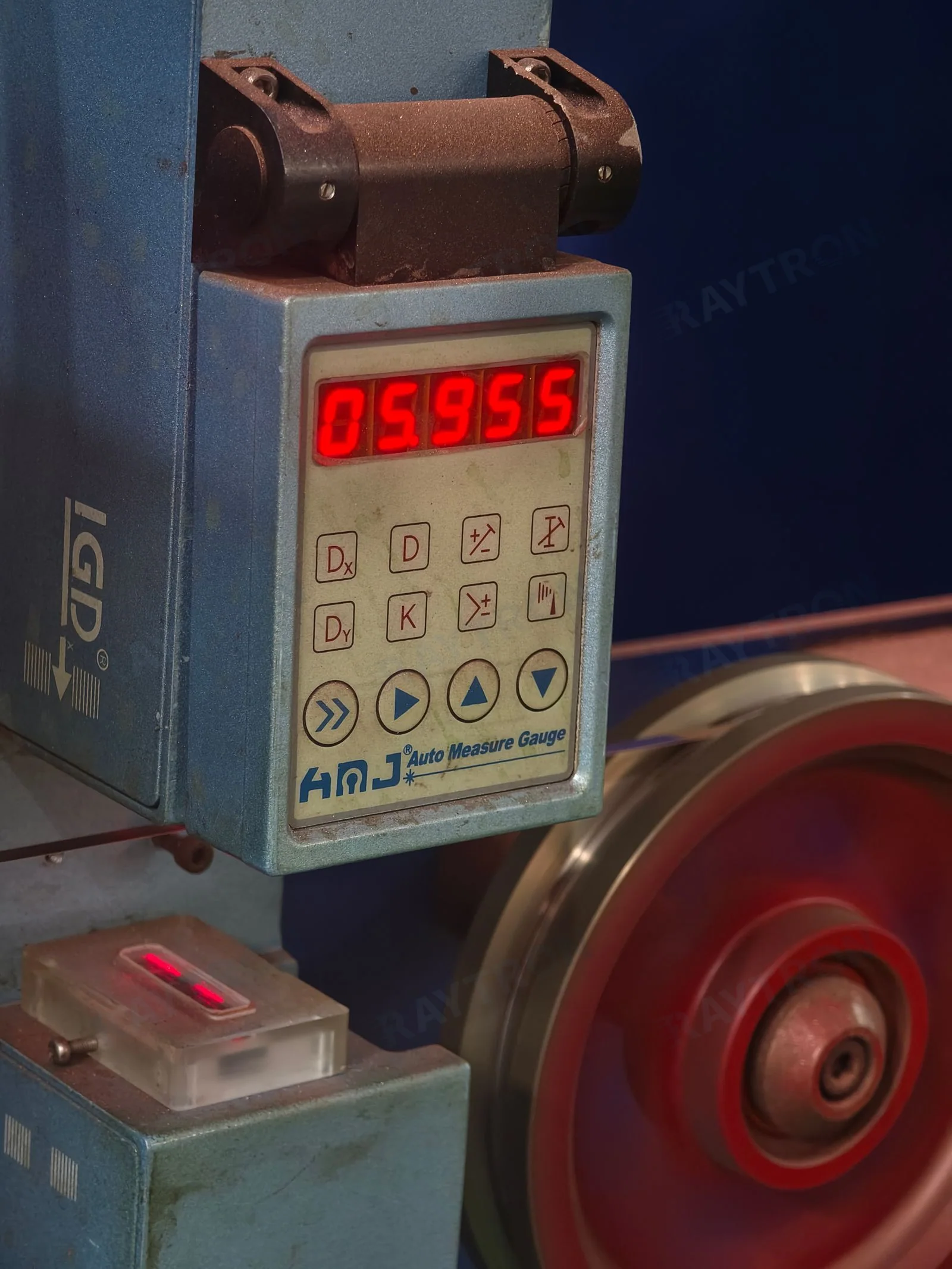
Roll-gap control accuracy is a machine characteristic. A delivered thickness tolerance is a product requirement. The two should be reported separately, with the material, dimensions and measurement conditions that apply.
The same distinction applies to inspection. A test method may be available without being performed on every coil. The purchase specification and inspection plan should state which checks are required, how samples are taken and what counts as an acceptable result.
Include the layer structure, thickness and width tolerances, temper, flatness or camber limits, edge condition, surface requirements and coil format. Add the downstream forming or joining process so the finished material can be assessed against its intended use.

